
The Best Dog-Friendly Parks from Carson City to Lake Tahoe
Read More
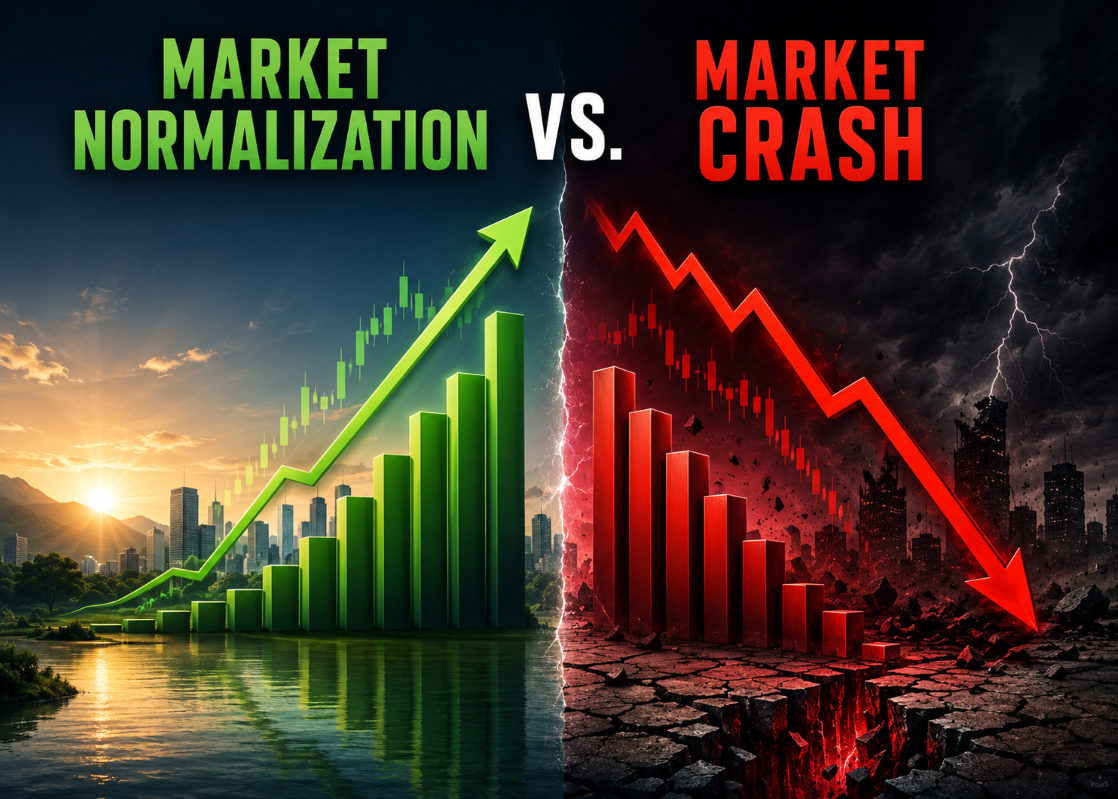
Whenever home sales slow, inventory rises, or mortgage rates increase, headlines often spark concerns about a potential housing crash. For many buyers and sellers in Carson City and throughout Northern Nevada, the question becomes: Is the market correcting, or is it collapsing? The reality is that a market normalization and a market crash are two very different situations. A normalization occurs when the housing market transitions from unusually fast growth back toward more balanced and sustainable conditions. A crash involves widespread price declines, distressed sales, foreclosures, and significant demand destruction. Today's Northern Nevada real estate market shows many signs of normalization but few characteristics associated with a true housing crash. Understanding the difference can help buyers and sellers make informed decisions based on facts rather than fear-driven headlines.
June 26, 2026
Market Insights
Real estate headlines are designed to grab attention.
Terms like:
often generate clicks because they create urgency and uncertainty.
Unfortunately, many consumers assume any market slowdown automatically means a crash is coming.
History shows that's not always the case.
In fact, most housing markets experience cycles of expansion, stabilization, and normalization without experiencing a severe collapse.
For homeowners, buyers, investors, and sellers in Carson City, understanding the difference between normalization and a crash is essential for making smart real estate decisions.
Before evaluating current conditions, it's helpful to review the latest Carson City market report and understand what local data is actually showing.

Market normalization occurs when housing conditions return to more sustainable levels after a period of unusual activity.
In real estate, normalization often follows periods of:
During normalization, the market begins moving back toward balance.
Common signs include:
Importantly, normalization does not necessarily mean home values are collapsing.
Instead, it means the market is becoming healthier and more predictable.
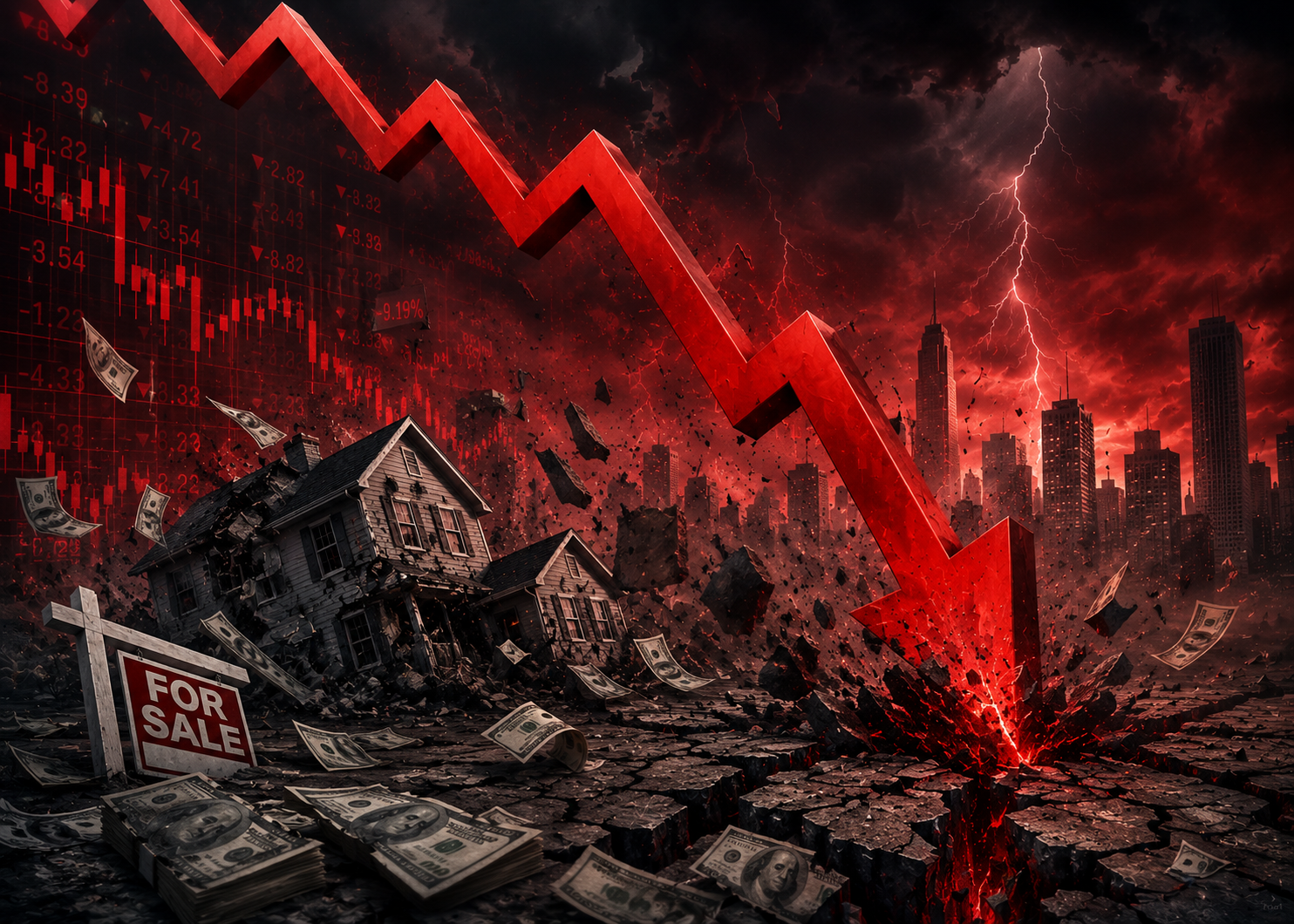
A housing market crash is far more severe.
A true crash typically involves:
Home values fall sharply over a relatively short period.
Large numbers of homeowners become unable to make mortgage payments.
Short sales and bank-owned properties become common.
Job losses reduce buyer demand and increase financial stress.
Housing supply greatly exceeds demand.
Financing becomes difficult to obtain.
A crash represents a fundamental breakdown in market stability rather than a simple adjustment in market conditions.
When people hear concerns about housing, they often think of the 2008 housing crisis.
The problem is that today's market differs significantly from the conditions that existed before the Global Financial Crisis.
Before the crash:
Today's market looks very different.
Mortgage underwriting standards are generally stricter, homeowners have accumulated significant equity, and foreclosure rates remain far below levels seen during the housing crisis.
This doesn't guarantee prices can never decline.
It does suggest the current environment lacks many of the ingredients associated with a severe market collapse.

Several developments in Carson City and Northern Nevada reflect normalization rather than a crash.
For years, buyers struggled with extremely limited housing supply.
Today, inventory has improved in many market segments.
More inventory creates:
This is generally considered a healthy development.
Homes are taking longer to sell compared to the frenzied pandemic-era market.
For sellers, this may require greater patience.
For buyers, it often creates opportunities to:
Longer market times are common during normalization.
They are not automatically signs of a crash.

One of the clearest indicators of normalization is slowing appreciation.
During the hottest years of the market, home prices rose rapidly.
That pace was unlikely to continue indefinitely.
Today's market is seeing:
Slower growth often reflects sustainability rather than weakness.
Buyers have more leverage than they did a few years ago.
Seller concessions have become more common, including:
Negotiation is a hallmark of a balanced market.
It is not necessarily evidence of a collapsing market.
If Carson City were experiencing a true housing crash, we would likely see:
Foreclosure inventory would rise significantly.
Bank-owned and short-sale properties would become increasingly common.
Interested buyers often monitor Northern Nevada foreclosure listings for signs of distress activity.
Home values would fall substantially across most neighborhoods.
Showings and transaction volume would decline dramatically.
Supply would significantly exceed buyer demand.
At present, most Northern Nevada markets do not exhibit these conditions on a widespread basis.
.png)
Real estate ultimately comes down to supply and demand.
Several factors continue supporting demand in Carson City:
Many buyers continue relocating to Nevada because of:
Carson City offers:
Many households continue exploring the region through resources like the Northern Nevada relocation guide.
These factors help support housing demand even during periods of market adjustment.
Many buyers become accustomed to hearing stories about rapidly rising prices and intense competition.
When conditions improve for buyers, some assume a crash must be underway.
In reality, many current developments are positive:
These conditions often create healthier markets rather than weaker ones.
For first-time buyers, today's environment may actually be more favorable than the extreme seller's market experienced several years ago.
Buyers can also explore available first-time home buyer loan programs to improve affordability.

Some homeowners worry that any market slowdown means they should sell immediately before prices decline.
However, reacting to headlines instead of local data can be costly.
Today's sellers still benefit from:
The key is adjusting expectations.
Homes must be:
Sellers who understand current conditions often achieve strong outcomes despite a more balanced market environment.
Obtaining a free home value estimate can help homeowners understand current market positioning before listing.
For buyers, normalization creates several advantages.
Inventory growth expands available options.
Buyers can often negotiate terms and concessions.
Decision-making becomes less rushed.
Multiple-offer situations are less common in some segments.
This environment allows buyers to focus more on value and less on urgency.
For sellers, normalization requires a shift in strategy.
Overpricing becomes increasingly risky.
Presentation and condition become more important.
Professional exposure helps listings stand out.
Homes may take longer to sell than they did during peak seller-market conditions.
These adjustments are normal parts of a healthier market cycle.
While some headlines may suggest uncertainty in the housing market, it's important to distinguish between normalization and a true market crash.
A normalization reflects a healthy shift toward balance. Inventory increases, negotiations become more common, and price growth moderates. Buyers gain opportunities while sellers continue benefiting from long-term market fundamentals.
A crash, on the other hand, involves widespread financial distress, major price declines, foreclosure surges, and severely weakened demand.
For Carson City and much of Northern Nevada, current market conditions more closely resemble normalization than collapse. Buyers and sellers who focus on local data rather than sensational headlines are often better positioned to make confident and informed real estate decisions.
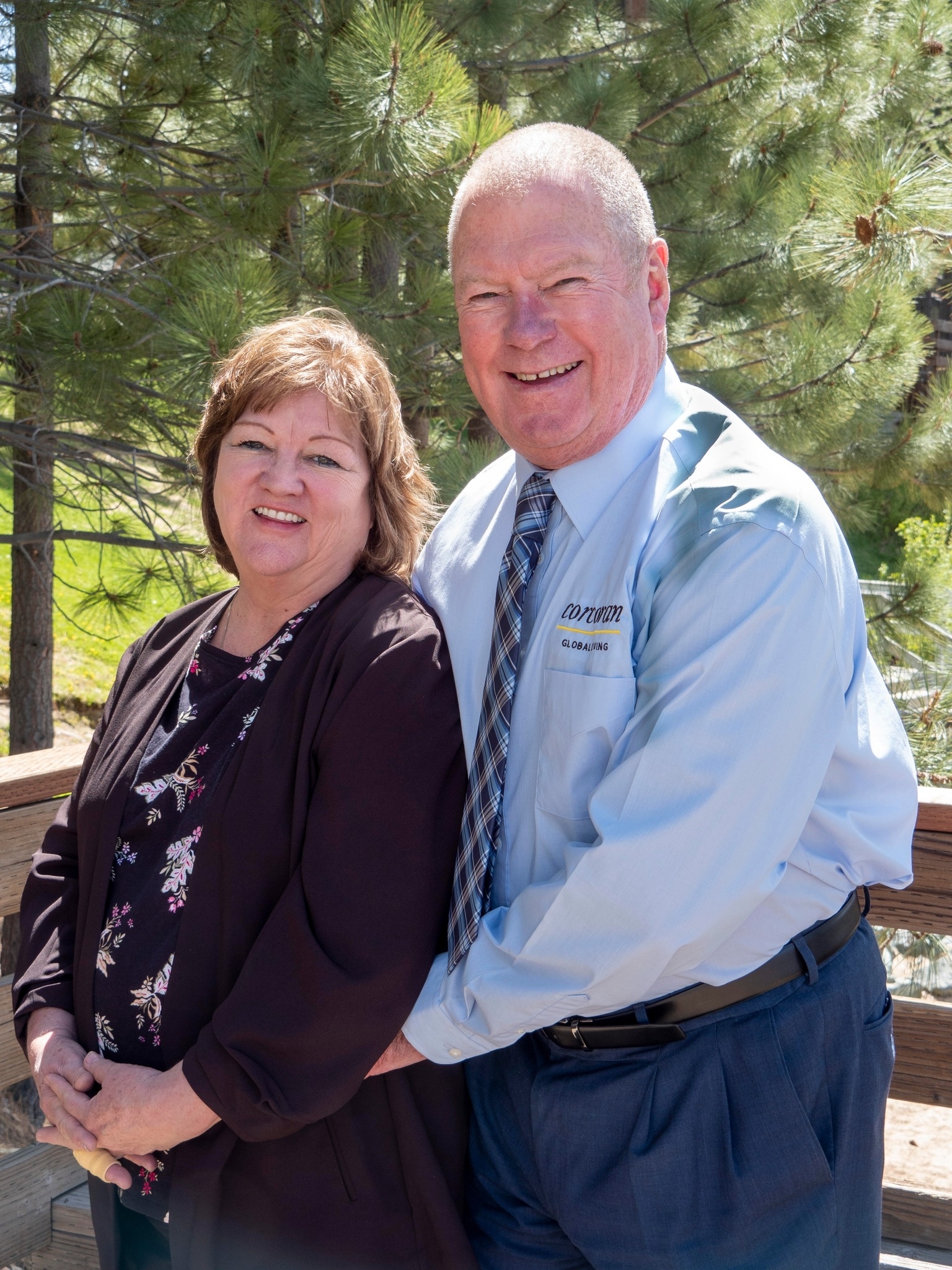
If you want clarity instead of guesswork when buying or selling real estate, I’m here to help. With more than 37 years of experience serving Northern Nevada and South Lake Tahoe, I focus on helping clients make informed decisions using real market data, local expertise, and practical strategy. Whether you are preparing to buy your first home, sell a property, invest, or purchase a second home, I can help you evaluate your options with confidence.
Dennis Lindsay
📞 Phone: +1 530-318-2369
📧 Email: dennislindsaygroup@gmail.com
🌐 Website: carson-tahoehomes.com
Market normalization occurs when housing conditions return to more balanced and sustainable levels after periods of unusually rapid growth or intense competition.
Current market conditions generally reflect normalization rather than a true housing crash. Inventory has increased, but widespread foreclosure activity and severe price declines have not become dominant market trends.
Signs of a crash often include significant price declines, widespread foreclosures, distressed sales, high unemployment, and sharply weakened buyer demand.
Yes. Balanced markets often provide more inventory, greater negotiating power, and less pressure to make rushed decisions.
About
About

Real Estate License: NV Lic #0008718 | CA DRE #00821878
Brokerage: Berkshire Hathaway HomeServices Drysdale Properties
Office Location: 636 St Andrews Dr, Dayton, NV 89403
Experience and Expertise
Dennis is known for placing client priorities first, communicating clearly, and guiding clients through each step of the real estate process with transparency and steady support. He works with first-time buyers, move-up and move-down clients, seniors transitioning to their next home, and investment-minded clients. His approach is grounded in practical market knowledge, informed decision-making, and long-term value rather than speculation.
Professional Designations
Dennis holds several respected professional designations that reflect his ongoing commitment to education and client service:
SRES (Senior Real Estate Specialist)
ABR (Accredited Buyer’s Representative)
AI-Certified Real Estate Professional
Community Involvement
Dennis is also the founder of the Nevada Car Coalition, a regional organization that brings together car clubs and community members to raise funds for veterans and local charities, including Honor Flight Nevada and veterans’ housing assistance initiatives. His involvement reflects a strong commitment to giving back to the communities he serves.
Client-Focused Philosophy
Dennis believes that clarity reduces stress in real estate decisions. By combining decades of market experience with practical analysis and evolving technology tools, he helps clients move forward with confidence. His focus remains on education, preparation, and steady guidance from initial planning through closing.
Connect with Dennis
Whether you are buying your first home, planning a strategic sale, downsizing, or considering a second home in South Lake Tahoe, Dennis is available to provide clear guidance and data-informed support every step of the way.
Phone | Email | Website
Real Estate License: NV Lic #0008718 | CA DRE #00821878
Brokerage: Berkshire Hathaway HomeServices Drysdale Properties
Office Location: 636 St Andrews Dr, Dayton, NV 89403
Experience and Expertise
Dennis is known for placing client priorities first, communicating clearly, and guiding clients through each step of the real estate process with transparency and steady support. He works with first-time buyers, move-up and move-down clients, seniors transitioning to their next home, and investment-minded clients. His approach is grounded in practical market knowledge, informed decision-making, and long-term value rather than speculation.
Professional Designations
Dennis holds several respected professional designations that reflect his ongoing commitment to education and client service:
SRES (Senior Real Estate Specialist)
ABR (Accredited Buyer’s Representative)
AI-Certified Real Estate Professional
Community Involvement
Dennis is also the founder of the Nevada Car Coalition, a regional organization that brings together car clubs and community members to raise funds for veterans and local charities, including Honor Flight Nevada and veterans’ housing assistance initiatives. His involvement reflects a strong commitment to giving back to the communities he serves.
Client-Focused Philosophy
Dennis believes that clarity reduces stress in real estate decisions. By combining decades of market experience with practical analysis and evolving technology tools, he helps clients move forward with confidence. His focus remains on education, preparation, and steady guidance from initial planning through closing.
Connect with Dennis
Whether you are buying your first home, planning a strategic sale, downsizing, or considering a second home in South Lake Tahoe, Dennis is available to provide clear guidance and data-informed support every step of the way.
Phone | Email | Website
Real Estate License: NV Lic #0008718 | CA DRE #00821878
Brokerage: Berkshire Hathaway HomeServices Drysdale Properties
Office Location: 636 St Andrews Dr, Dayton, NV 89403
Experience and Expertise
Dennis is known for placing client priorities first, communicating clearly, and guiding clients through each step of the real estate process with transparency and steady support. He works with first-time buyers, move-up and move-down clients, seniors transitioning to their next home, and investment-minded clients. His approach is grounded in practical market knowledge, informed decision-making, and long-term value rather than speculation.
Professional Designations
Dennis holds several respected professional designations that reflect his ongoing commitment to education and client service:
SRES (Senior Real Estate Specialist)
ABR (Accredited Buyer’s Representative)
AI-Certified Real Estate Professional
Community Involvement
Dennis is also the founder of the Nevada Car Coalition, a regional organization that brings together car clubs and community members to raise funds for veterans and local charities, including Honor Flight Nevada and veterans’ housing assistance initiatives. His involvement reflects a strong commitment to giving back to the communities he serves.
Client-Focused Philosophy
Dennis believes that clarity reduces stress in real estate decisions. By combining decades of market experience with practical analysis and evolving technology tools, he helps clients move forward with confidence. His focus remains on education, preparation, and steady guidance from initial planning through closing.
Connect with Dennis
Whether you are buying your first home, planning a strategic sale, downsizing, or considering a second home in South Lake Tahoe, Dennis is available to provide clear guidance and data-informed support every step of the way.
Phone | Email | Website

© Copyright 2026, Dennis Lindsay Group. All Rights Reserved.


© Copyright 2026, Dennis Lindsay Group. All Rights Reserved.
© Copyright 2026, Dennis Lindsay Group. All Rights Reserved.