

Practical Guide
Electric Cars in Nevada After California: Registration, Charging, and Costs
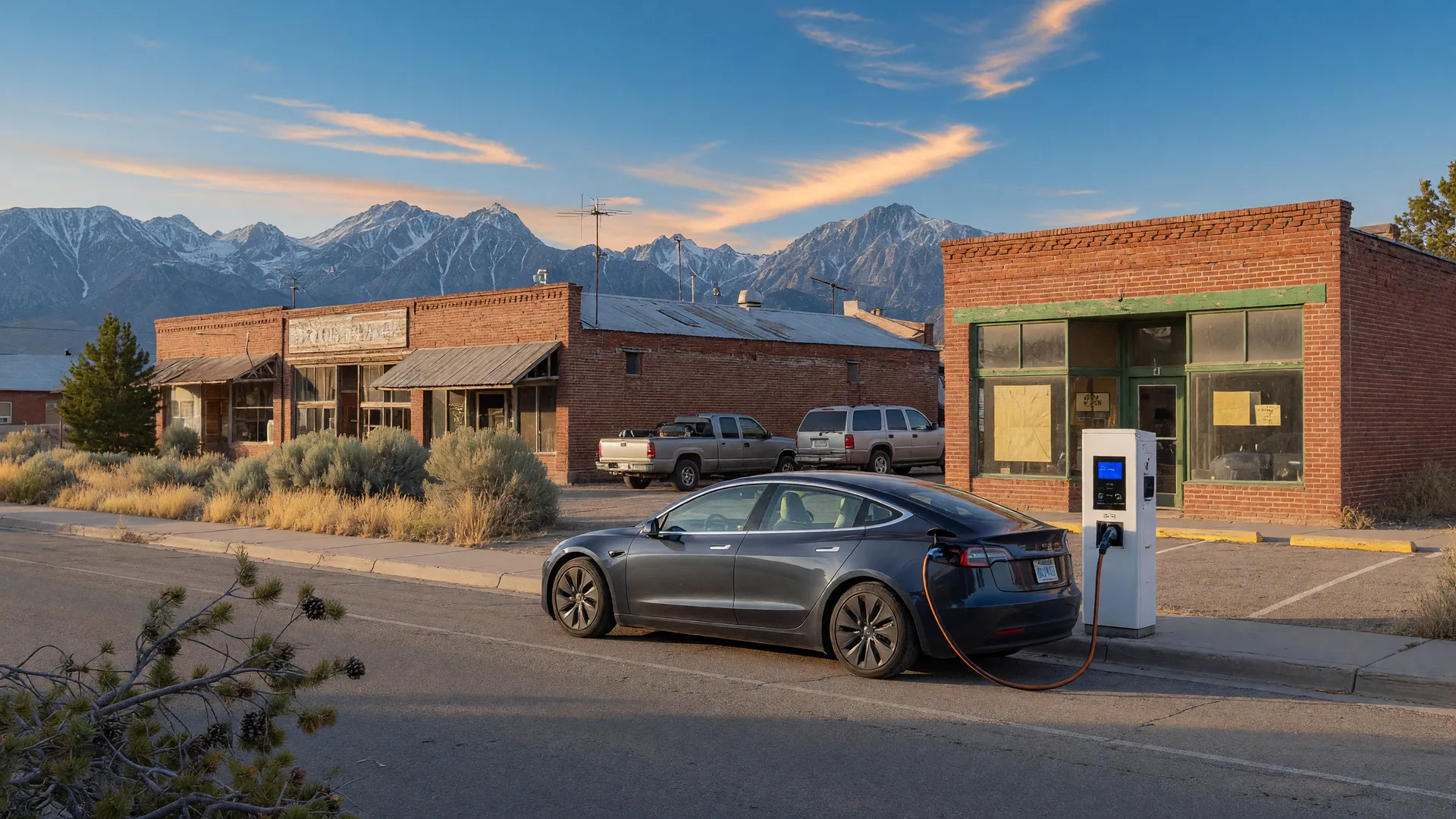
If you drive an electric car, moving to Nevada is easier than most California transplants expect. As of late 2026, Nevada charges no separate annual EV registration surcharge, so your car pays the same standard registration fees as a gas vehicle, and the charging network across Reno, Carson City, Sparks, and Lake Tahoe is healthy enough for daily driving and mountain trips. Here is what registration, charging, and the federal incentives actually look like.
Nevada Registration: No EV Penalty Fee
Nevada's DMV fee schedule does not add an EV-specific surcharge. EVs pay the same passenger-car registration as gas vehicles: a base registration fee of about $33 plus the Governmental Services Tax, roughly 4% of the depreciated value, with a small supplemental GST in Clark and Churchill counties. That stands in contrast to several other states that add $100 to $200 a year on top for electric vehicles. A proposed federal mileage-based fee of about $135 a year for EV owners has been floated, but it is a bill, not law, so it does not affect your 2026 registration.
The Registration Steps Themselves
The process is the same one covered in how to register your car in Nevada: transfer within 30 days, bring proof of Nevada insurance, and let the DMV verify coverage electronically. Get your Nevada driver's license first, then take the vehicle's title, proof of ownership, and your out-of-state registration to the DMV counter. EVs follow the same lane as everything else, with no emissions testing detour in most of Northern Nevada.
What Charging Costs: NV Energy's Overnight Rate
The single biggest EV number to know is NV Energy's Electric Vehicle Recharge Rider, a time-of-use rate available to residents. Under the 2026 rate schedule, charging between 12:01 a.m. and 8:00 a.m. runs roughly 6 to 9 cents per kilowatt-hour, against summer on-peak rates around 47 to 50 cents. Charging overnight makes home charging dramatically cheaper than gasoline and cheaper than most California utility plans. The exact cents vary by season and service territory, so check the current NV Energy rate insert when you set up service, which the utilities setup guide walks through step by step.
The Public Charging Network in Northern Nevada
Public charging is easiest to find in Reno and Sparks, and still solid in the smaller towns. PlugShare lists roughly 425 stations in the Reno area, including dozens listed as free, with Tesla Superchargers, ChargePoint, and Electrify America locations. Sparks has several dozen more public ports within a short drive. Carson City shows around 37 public stations with about a dozen DC fast chargers, and Lake Tahoe as a destination counts about 23 charging locations with more than 80 plugs, with Stateline on the Nevada side offering both Level 2 and DC fast options. For trips home to California, South Lake Tahoe's roughly 90 public ports and the I-80 corridor chargers through Truckee mean a Sierra crossing is very doable in an EV.
Incentives: Federal Only, and Worth Using
Nevada has no statewide EV purchase rebate or tax credit, so the federal Clean Vehicle Tax Credit is the main incentive: up to $7,500, with income limits of $150,000 for single filers, $225,000 for head of household, and $300,000 for joint filers, and it can be applied at the point of sale so you do not wait for tax season. There is also a federal credit of up to $1,000 for a home EV charger in eligible areas, and NV Energy runs commercial charging incentives through its PowerShift program for workplaces and multifamily sites. If your employer or apartment complex is considering chargers, those commercial incentives can make the request easy to say yes to.
How an EV Fits the Whole Nevada Budget
Pair overnight charging near 7 cents a kilowatt-hour with Nevada's cheaper gas prices anyway, and the cost argument for driving gets better on both sides of the plug. No state income tax, lower home values, and a charging network that already strings the whole region together make an EV an easy lifestyle choice, not a compromise. The cost of living comparison lays out the rest of the monthly budget, and when you are ready to find a home with a garage, carport, or dedicated charging spot, request personalized home options.
Rates and incentives change, so treat these as planning numbers and confirm current figures before you commit. I help California transplants line up the whole move, cars included. Book a free relocation consultation and we will map out your new commute, your charging plan, and the right home for all of it.
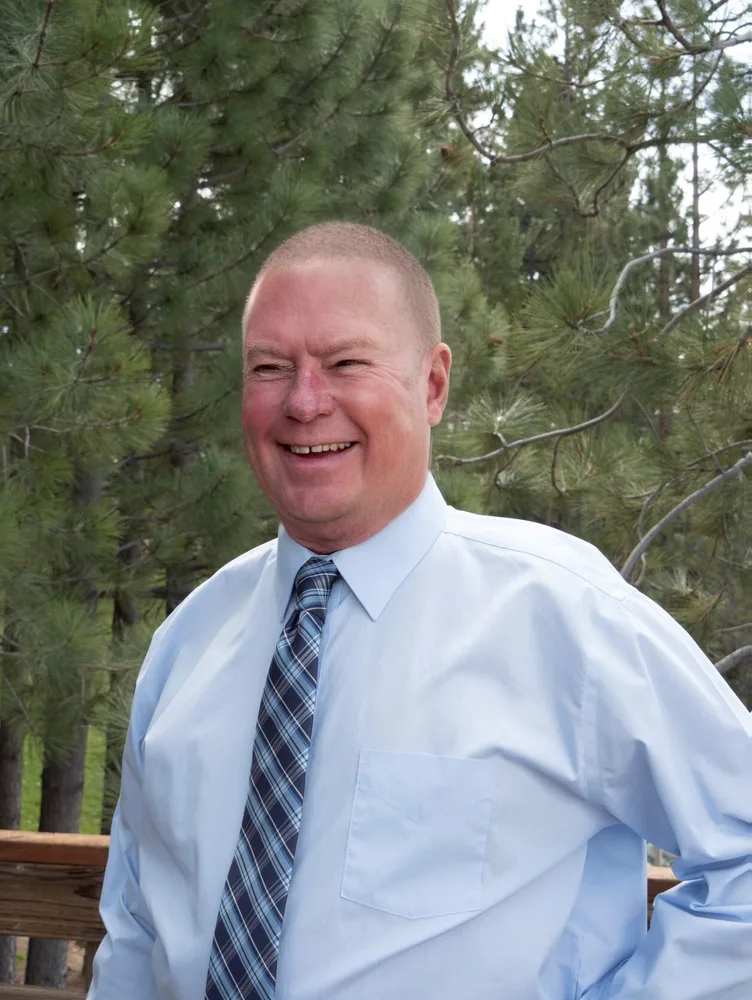
Dennis Lindsay
Broker Associate · 40+ Years in Northern Nevada
Licensed in both California and Nevada, Dennis helps California transplants compare budgets, commute times, and communities across Northern Nevada. Call him at (530) 318-2369.
Planning an EV Move to Nevada?
Tell me which California city you drive from and where you are looking to land, and I will help you line up the registration, the charger, and the right home.