

Practical Guide
Nevada Smog and Emissions Checks: What California Drivers Need to Know
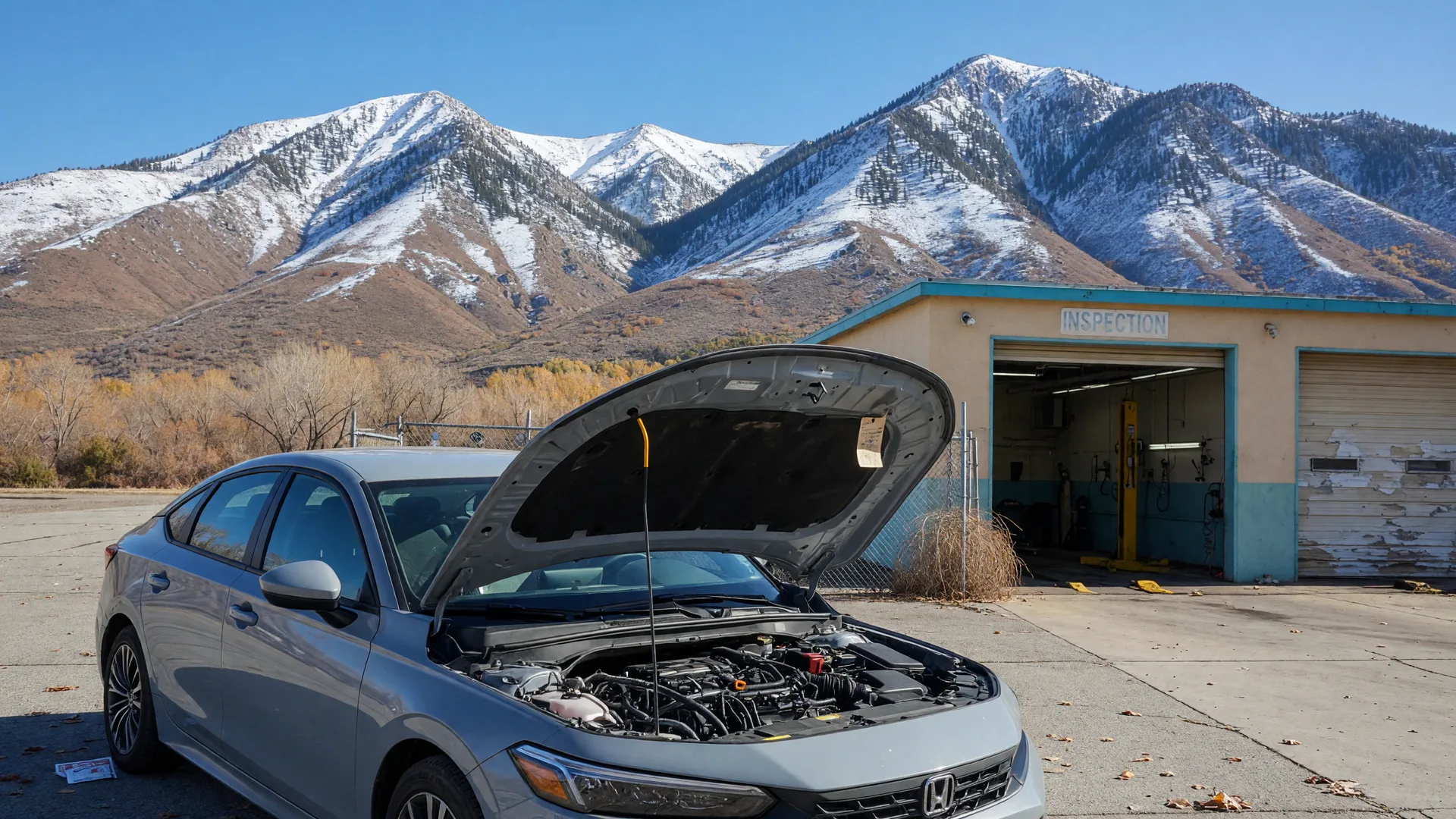
Nevada has no statewide smog-check program. Emissions testing is required only in the urban areas of two counties: Washoe County, which is Reno and Sparks, and Clark County, which is the Las Vegas area. If you register your car in Carson City, Dayton, Gardnerville, Minden, or the Nevada side of Lake Tahoe, there is no testing requirement at all. That single fact changes the answer to the most common California-to-Nevada car question, so here is the full picture, with current rules and costs.
It Depends on Where You Register, Not Where You Drive
The rule is based on the county where the vehicle is registered, not where you happen to drive it. A car registered in Reno or Sparks falls under Washoe County's testing program, even if you park it in Carson City every night. A car registered in Carson City, an independent city-county outside both testing areas, never needs the test, no matter how often it crosses into Washoe.
That is worth keeping in mind when you choose where to live. The where to live guide walks through each town's character and price ranges, and vehicle registration is one of the small practical details that differs by location.
Which Vehicles Need Testing
In the two testing counties, gasoline vehicles of all weights and diesel vehicles up to 14,000 pounds gross vehicle weight rating, model year 1968 and newer, need an emissions test. Testing happens at each annual registration renewal, so it is a yearly step, not the every-other-year schedule California uses. Test results are valid for 90 days, or 180 days with a dealer report of sale.
The exemptions are generous for newer cars:
- Brand-new vehicles are exempt on their first, second, and third registration cycles, with the test due on the fourth.
- New hybrid-electric vehicles are exempt for their first five model years, with the test due on the sixth.
- Model year 1967 and older vehicles are exempt, as are motorcycles, mopeds, and diesel vehicles over 14,000 pounds.
- Classic and Rod plate vehicles driven under 5,000 miles a year with yearly odometer certification are exempt.
What the Test Costs
Testing stations set their own prices within state caps. For 2026, the Nevada DMV's maximum for a light-duty gasoline vehicle is $75.50 total in Clark County, which is $68.50 for the inspection plus a $7.00 certificate fee, with Washoe County's cap running slightly lower. Most stations charge well under the cap, typically about $20 to $35 for a standard light-duty test.
On top of the station fee, Nevada collects a $6 Pollution Control Fee at registration for vehicles registered in Washoe and Clark counties, which funds the emissions program. The full registration cost breakdown is in our Nevada vs California registration fees guide.
How the Test Compares to California's
California tests in most counties statewide and requires a check every other year. Nevada tests annually, but only in its two metro counties. California's inspection includes a visual check that emissions equipment is present and working; Nevada for 1996 and newer vehicles relies mostly on the onboard OBD-II computer and requires that the equipment appear functional.
The other thing to know: one state's pass does not carry over to the other. A California smog check is not valid for a Nevada registration, and a Nevada emissions exemption does not satisfy California if you later move back. Each state applies its own rules to your car at registration time.
The Right Order of Operations
When you move to Northern Nevada, the practical sequence matters more than people expect:
- Get Nevada insurance first. You need proof of Nevada coverage before you can register your vehicle, and the switch is a qualifying life event for insurers. Our auto insurance comparison shows how rates actually line up.
- Get your Nevada driver's license. Both your license and vehicle registration are due within 30 days of establishing residency. The driver's license guide covers the documents you will need.
- Handle the emissions test only if your registration county requires it. Reno and Sparks, yes. Carson City, Dayton, the Carson Valley, and the Tahoe side, no.
- Register the vehicle. Bring your title or lien-holder information, proof of insurance, ID, and emissions results if required. The full step-by-step is in the car registration guide.
Those deadlines fit inside the broader new-resident checklist in the first 30 days in Nevada and the moving checklist, which lay out the full order of license, registration, utilities, and change of address.
The Takeaway
For most California transplants to Northern Nevada, the emissions question is good news: if you register outside Reno and Sparks, there is no testing requirement at all, and even where testing applies, it costs roughly $20 to $35 at most stations with generous exemptions for newer vehicles. Plan for the insurance, license, and registration within the 30-day window, and let your registration county decide whether the test is even part of your to-do list.
If you are weighing where to land in Northern Nevada, book a free relocation consultation and I will help you sort the practical details alongside the home search. When you are ready, browse homes across Carson City, Dayton, the Valley, Reno, Sparks, and the Tahoe area.

Dennis Lindsay
Broker Associate · 40+ Years in Northern Nevada
Licensed in both California and Nevada, Dennis helps California transplants plan every step of the move, from DMV paperwork to finding the right home. Call him at (530) 318-2369.
Moving a Car to Nevada?
Tell me where you are moving from and which town you are considering, and I will help you line up the registration steps and the home search together.