Weather
A Season-by-Season Guide to Northern Nevada Weather
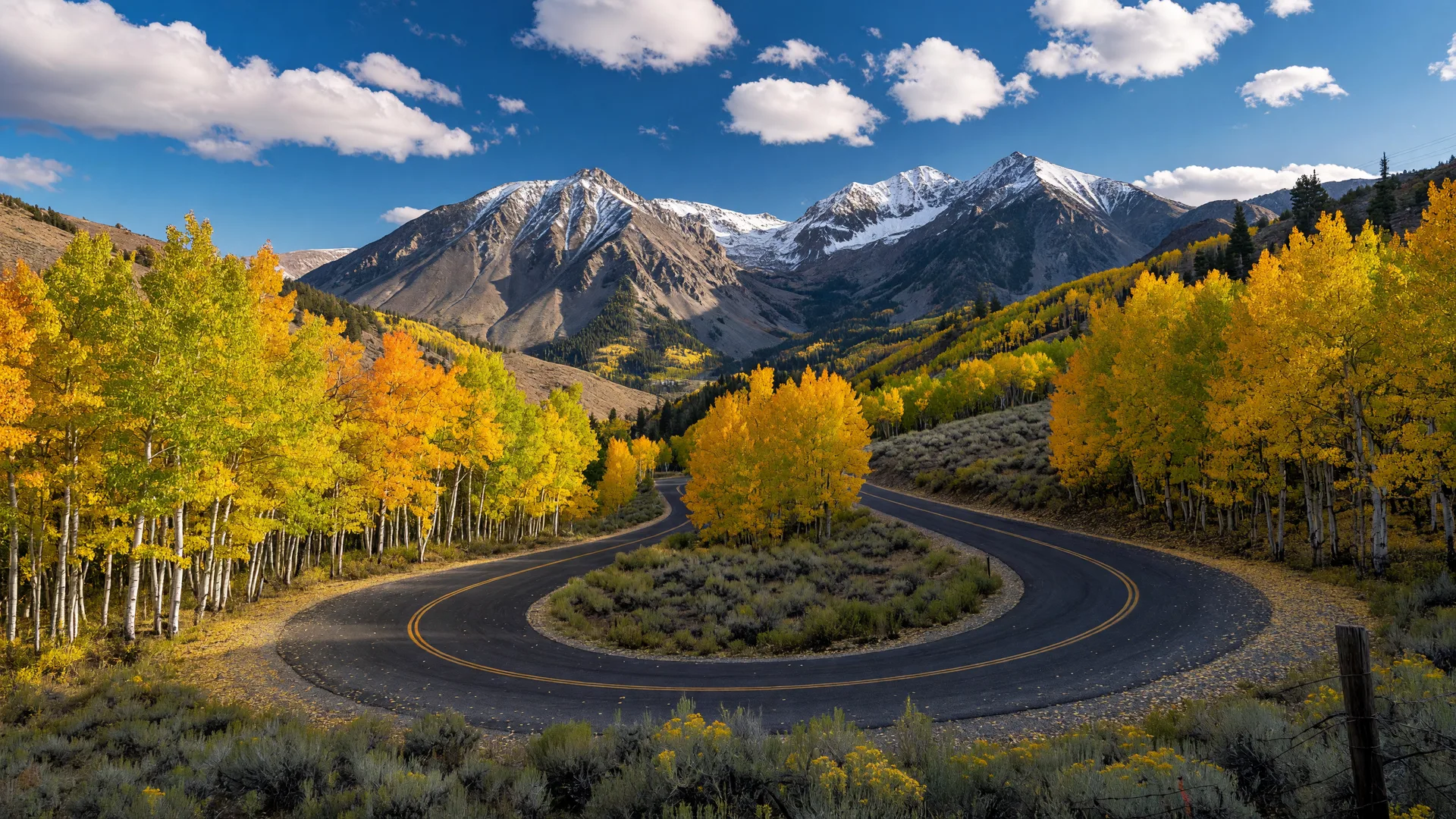
Northern Nevada sits in the high desert at roughly 4,500 to 4,700 feet, and it delivers four real, distinct seasons. If you are coming from California, the short summary is this: hot, dry summers, crisp and sunny winters, and a lot more sunshine than you might expect. Here is what each season actually feels like in Carson City and Reno.
Summer: Hot and Dry
July is the hottest month, with average highs around 89 to 91 degrees in Carson City and 91 to 93 in Reno. The heat is dry, so it does not feel as heavy as Bay Area or valley humidity, and evenings cool off quickly. Afternoon thunderstorms are common in the Sierra foothills. Because of the altitude and dry air, staying hydrated and sun-smart matters more than newcomers expect. Summer is also when the region shines: sunny days stack up, and Tahoe is thirty to forty-five minutes away.
Fall: The Golden Season
September and October bring crisp mornings, warm afternoons, and the region's signature golden aspens. Days stay pleasant well into October, and this is one of the most comfortable stretches of the year. First frosts typically arrive in October, and the first snow of the season can show up in the mountains by late October or November. Fall is a wonderful time to visit neighborhoods and get a feel for a community before winter sets in.
Winter: Cold, Sunny, and Manageable
January is the coldest month, with average lows around 19 to 24 degrees in Carson City and 22 to 25 in Reno. It is genuinely cold, but the sunshine keeps it from feeling oppressive, and sunny days remain common. Carson City averages roughly 22 inches of snow a year, most of it between November and March, and most storms drop a few inches that melt within a day or two. Reno sees a similar 20 to 25 inches. The story is far milder than Tahoe, which measures snow in feet, not inches. For the full breakdown, see our Carson City snowfall guide.
Winter driving on the valley floor is routine for most of the season. Plows keep the main highways clear, and all-wheel drive or winter tires are recommended if you commute across the mountains. Chain control events are rare on the valley floor and more common on Tahoe routes like I-80 and Highway 50.
Spring: Unpredictable and Welcomed
March through May is the transition. Snow can still fall in March, then give way to warm afternoons and blooming landscapes by April. The region's wettest stretch often comes in the spring, which helps fill the reservoirs and green the high desert. Temperatures swing widely, so layering is the practical move. By late May it regularly feels like summer again.
Sunshine and Precipitation at a Glance
Annual precipitation is light, around 9 to 12 inches in Carson City and about 7.5 to 10 in Reno, most of it as winter snow and spring rain. The payoff is sunshine: Carson City sees roughly 266 sunny days a year and Reno around 300. That abundance of sun is one of the reasons so many California transplants, used to coastal overcast, report feeling energized by the high-desert light.
Weather is a real factor in choosing where to land, and it varies a lot across the region. The Where to Live guide covers how each community differs, and what the first year feels like walks through adjusting to the rhythm. If you have questions about a specific area's weather or commute, book a free consultation and I will give you the honest local picture.

Dennis Lindsay
Broker Associate · 40+ Years in Northern Nevada
Licensed in both California and Nevada, Dennis has helped over 800 families make the move from California to Northern Nevada. Call him at (530) 318-2369.
Not Sure Which Community Fits Your Lifestyle?
Tell me how you like to spend your seasons and I will point you to the areas that match.