Housing Market
Market Normalization vs. Market Crash: Understanding Carson City Real Estate Trends
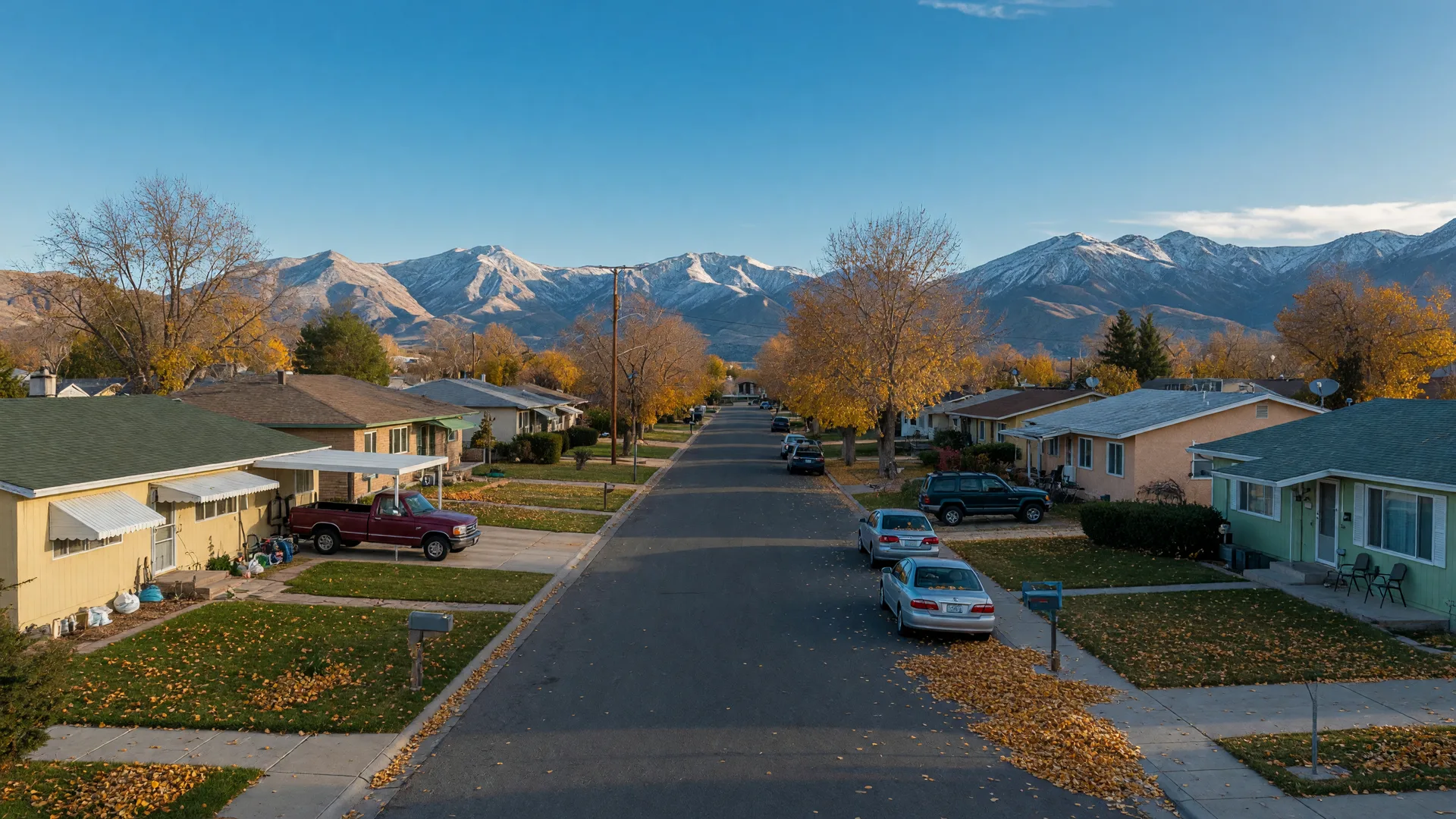
When homes start sitting longer and offers stop arriving by the dozen, buyers wonder if a crash is coming while sellers worry their equity is vanishing. In Carson City, the more honest word for what we have been seeing is normalization: the market returning to a pace that looks a lot like a healthy, ordinary real estate market. Here is the difference, and why it matters.
A crash is a collapse in demand
Crashes happen when buyers disappear faster than sellers can react, usually because credit tightens suddenly or the local economy turns. What most Northern Nevada markets have experienced instead is a gradual settling: fewer bidding wars, more time on market, and prices that stop climbing at the frantic rate of the boom years. That is a market catching its breath, not a market falling apart.
What normalization looks like on the ground
Normalized means buyers can actually look. It means an offer can include an inspection without being laughed at, and a seller might negotiate on closing costs or repairs. For people relocating from California, this is often the very thing that makes Carson City reachable: the chaos of the peak years is gone, and the market rewards thoughtful shopping again.
Why headlines exaggerate the story
National news loves a dramatic plot, and a few slow months in one region becomes a nationwide "downturn." Carson City is a small, self-contained market driven by local inventory, local jobs, and steady interest from out-of-state buyers. Its trends rarely move in step with a national average, in either direction, and they rarely deserve the scare quotes either.
What actually matters to you
For buyers, normalization is a window: more choices, calmer negotiations, and time to get financing right. For sellers, it means pricing honestly from day one and presenting a home that shows well, because buyers can afford to be picky. In both cases, the fundamentals of the home and the neighborhood matter far more than any headline, and they are the parts you have room to get right in a normal market.
How to read the local signals
The three numbers worth tracking in any neighborhood are inventory, days on market, and the ratio of asking to sold price. When inventory climbs slowly and days on market stretch a little, that is a market adjusting, not collapsing. When inventory doubles suddenly and sales freeze across every price range at once, that is a different story entirely. In Northern Nevada, the pattern in recent years has been the gentle kind: more balance, more negotiation, more normal.
A local tip: ask your agent for the last few months of inventory and days-on-market numbers for your specific neighborhood, not the county. That is the data that tells your personal story.
The market updates page gathers the trends I watch across the region, and the Carson City guide explains what living in the capital actually feels like.

Dennis Lindsay
Broker Associate · 40+ Years in Northern Nevada
Licensed in both California and Nevada, Dennis has spent more than 40 years helping families buy and sell homes across Carson City, the Carson Valley, Reno, and Lake Tahoe. Call him at (530) 318-2369.
Wondering What Your Market Is Doing?
Send me the neighborhood and the price range you are watching, and I will share the local numbers with you straight.