

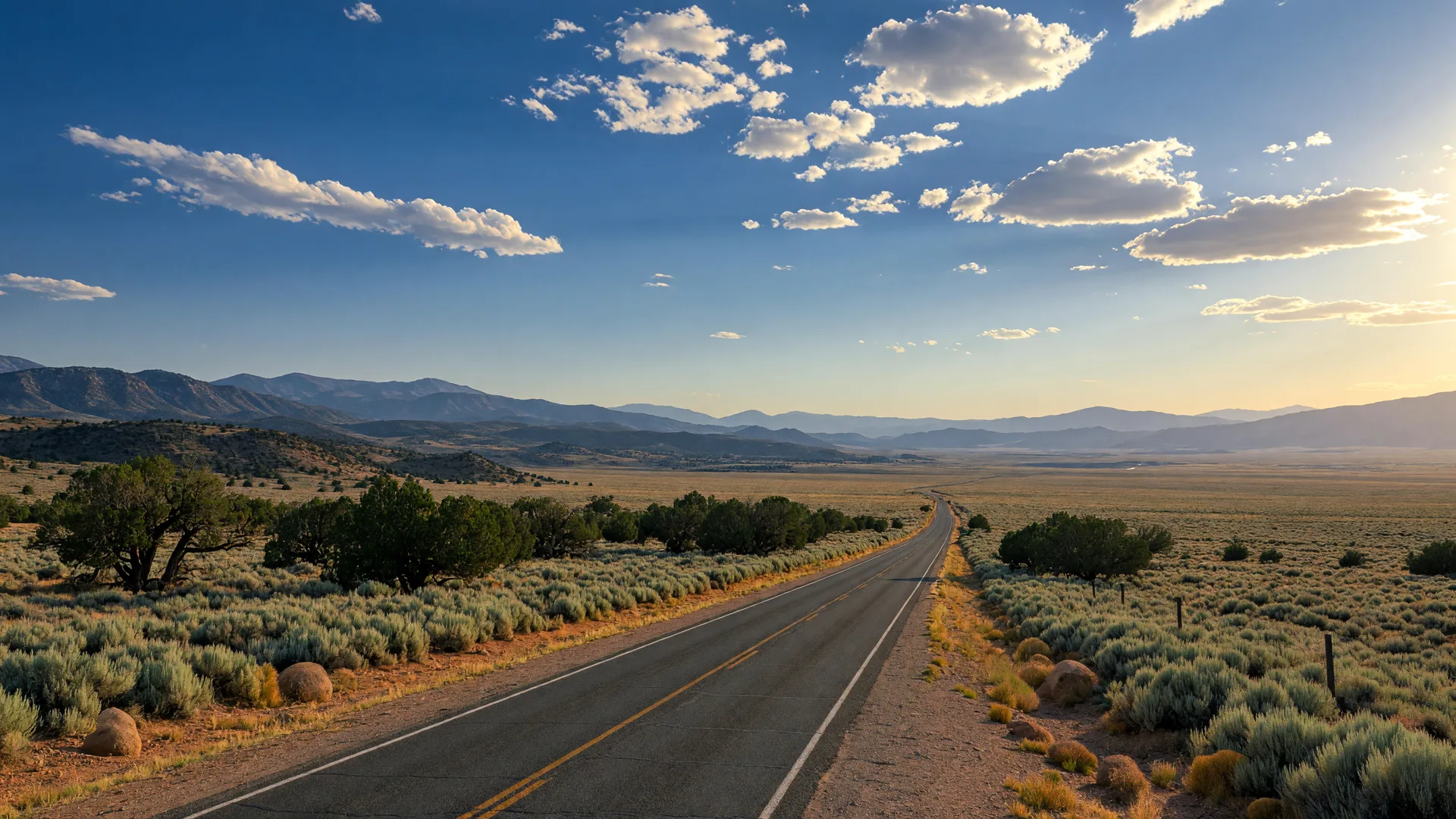
Acreage & Rural Land
How to Buy Acreage and Rural Land in Northern Nevada
Space, views, and room for a shop or a barn: rural property is one of Northern Nevada's best reasons to move. It also comes with its own checklist, and this guide walks you through it.
Quick Answer
What should I check before buying rural acreage in Northern Nevada?
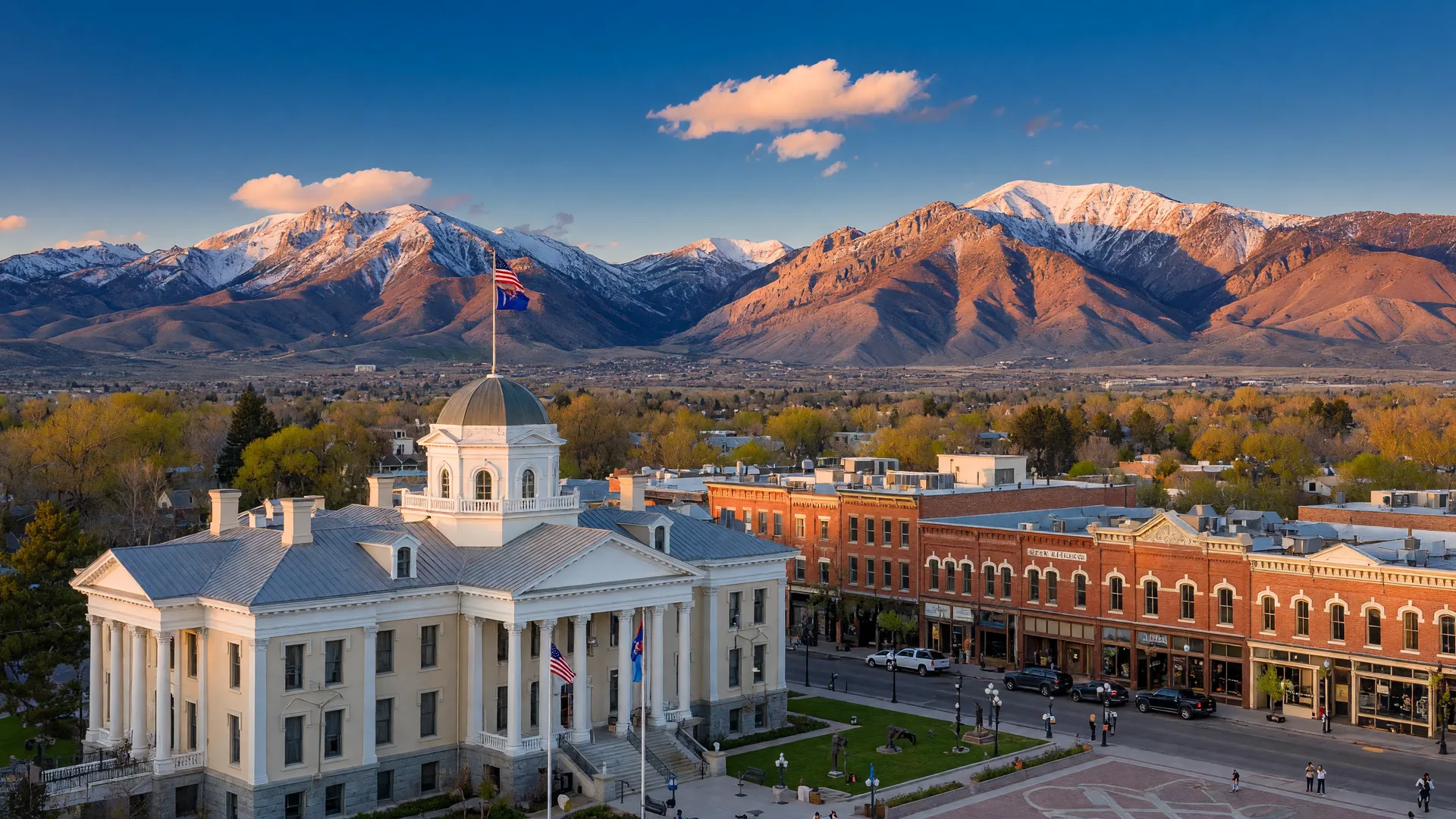
Before you fall for a view, verify eight things: water rights and the well, the septic system, county zoning for what you plan to do, recorded legal access, the cost of utilities and internet, wildlife and neighbor expectations, and wildfire defensible-space rules. Dennis Lindsay, a Carson City broker with 40+ years serving Lyon, Douglas, and Carson City rural properties, walks clients through every item on this list before they write an offer.
The Rural Checklist
Eight Things Every Acreage Buyer Should Verify
These are the details that separate a great rural purchase from a costly surprise.
Water Rights
Nevada follows prior appropriation: 'first in time, first in right.' Domestic indoor use from a well does not need a separate appropriation, but irrigation water, ditch rights, and stock-watering rights are separate from the land itself. Always have the seller's water use history and any recorded rights reviewed before you commit.
Wells & Water Quality
Domestic wells in Nevada are exempt from a state well permit, but the licensed driller files a Notice of Intent with the Nevada Division of Water Resources, and the county or local health district may require its own construction permit and water-quality testing. Well depth, flow rate, and water chemistry vary a lot parcel to parcel, so verify the existing well and its records.
Septic Systems
Rural homes almost always rely on an on-site septic system permitted by the county or local health district. Soil type drives the design: standard leach lines work on some parcels, while others need engineered or alternative systems. Review the existing permit, system age, and capacity before you offer.
Zoning & Land Use
County zoning controls minimum lot sizes, whether livestock and horses are allowed, agricultural versus residential use, accessory dwellings, and setbacks. Carson City, Lyon County, Douglas County, and Washoe County each have their own maps and rules, so check the zone for the parcel and talk through what you actually plan to do with it.
Access & Easements
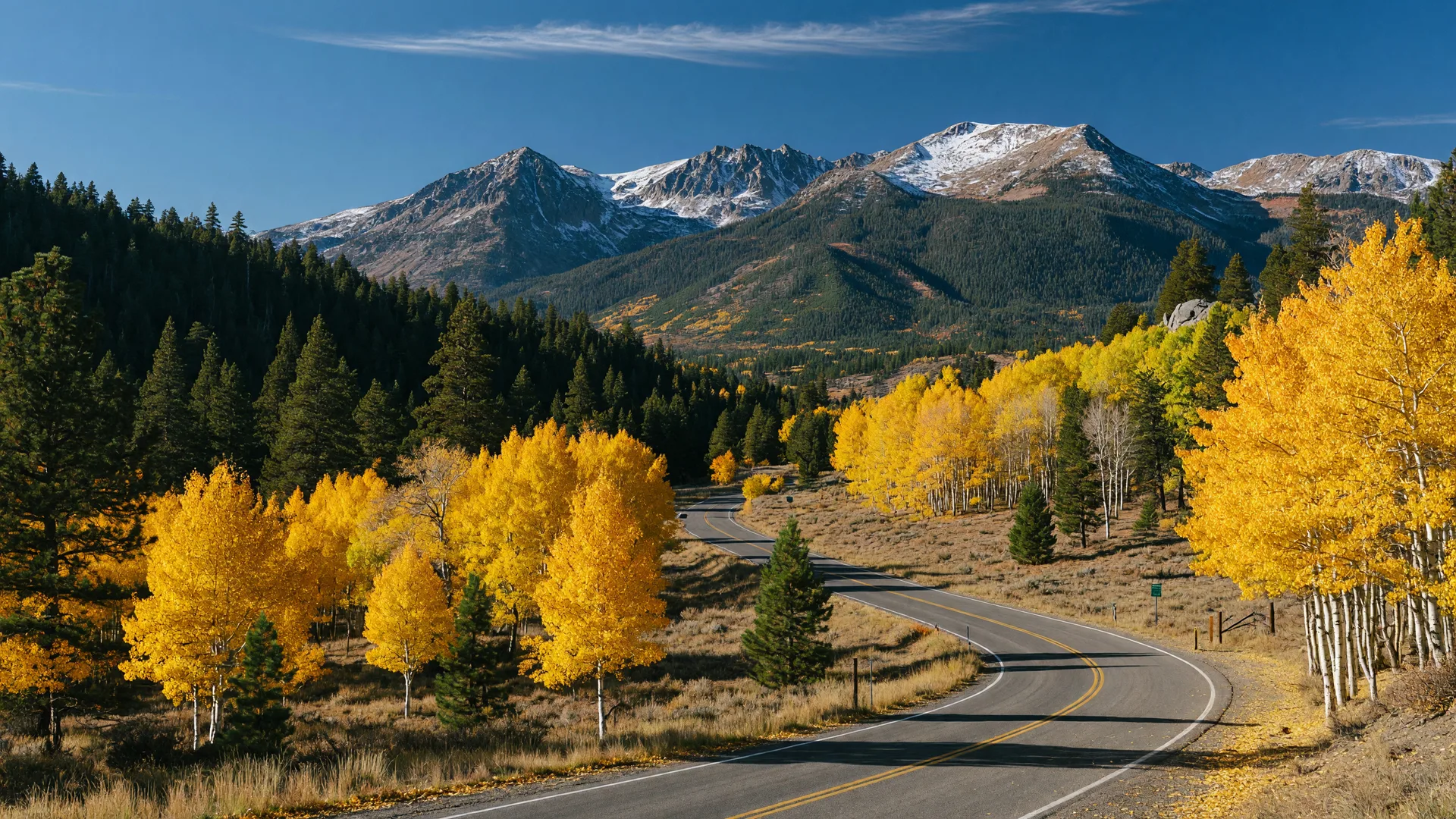
Not every parcel has recorded legal access. Some are reached only by a shared easement, a private road, or an unmaintained county road that can change with the seasons. Confirm the recorded access, any maintenance obligations, and winter conditions before you fall for the view.
Utilities & Internet
Rural parcels may sit beyond natural gas, municipal water, and sewer service. Check whether NV Energy power is at the property line or needs a costly extension, how you will get internet (fiber is spotty outside town), and what propane delivery and well-septic service look like in the area.
Wildlife & Neighbors
Acreage means neighbors are farther apart, but not absent: livestock, wildlife, hunting seasons, and agricultural noise are part of rural life. Drive the parcel at different hours, ask about grazing or conservation agreements, and know what activities are normal in the area.
Wildfire & Defensible Space
Much of Northern Nevada's acreage sits in the wildland-urban interface, and Nevada enforces defensible-space rules (NRS 472.500). The common standard is a 5-30-100 foot approach: keep Zone 0 (0-5 feet) clear of combustibles, manage Zone 1 (5-30 feet) aggressively, and thin Zone 2 (30-100 feet) on slopes. Confirm the county's current ordinance for your property.
Due Diligence
The Order of Operations
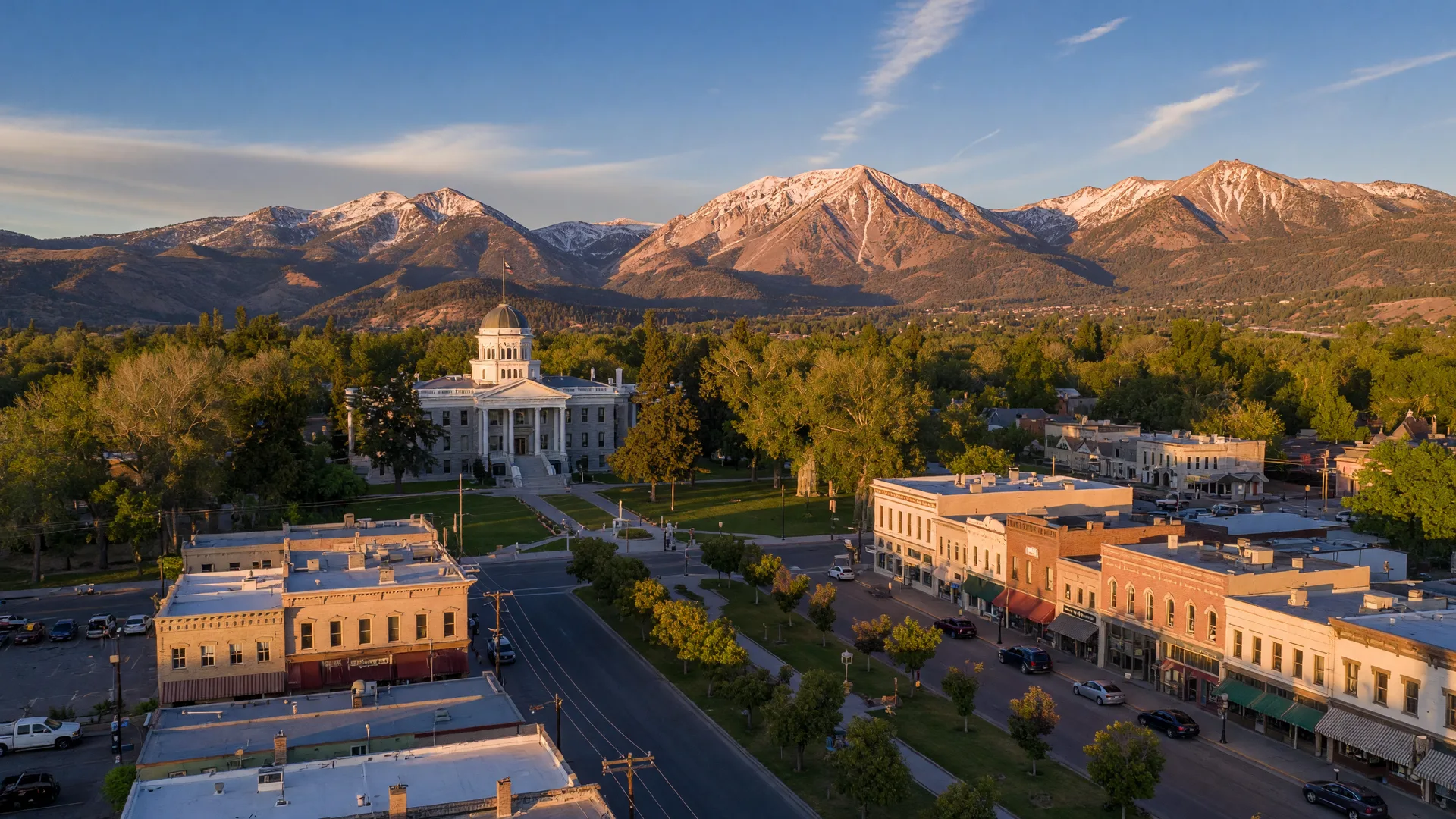
Rural purchases reward a deliberate order: water first, then zoning, then access, then the full cost of making the property livable. All of it happens before an offer, so contingencies stay clean and the numbers stay honest.
Dennis can pull parcel maps, zoning overlays, well logs, and access records before you ever write an offer, and he coordinates with the county and local agencies when questions come up.
Verify the water picture first
Request the well log, water-quality results, and any recorded water rights. If there is no well, get a realistic cost and timeline for a new one before you negotiate.
Confirm the zone matches your plan
Call the county planning department with the parcel number. Whatever you plan: a home, horses, a workshop, or nothing yet, the zone has the answer.
Walk the access from end to end
Legal access can be an easement across a neighbor. Read the recorded easement, confirm maintenance duties, and visit in winter if snow matters.
Budget beyond the purchase price
Wells, septic systems, utility extensions, road maintenance, and defensible space work add real costs. Build a full budget before you lock in a price.
A Note on Fair Housing
Dennis works with every buyer on equal terms, no matter who they are or where they are coming from. Zoning and land-use rules apply to what the land allows, never to the people considering it, and disclosures are made fully and honestly on every rural property. Northern Nevada acreage is open to everyone ready to embrace the lifestyle.
Rural Property FAQ
Questions About Acreage Buyers Ask
Do I need a permit to drill a domestic well in Nevada?
How do water rights work on rural property?
Can I keep horses or livestock on acreage?
What is the biggest surprise for first-time acreage buyers?
Is raw land a good investment?
Ready to Look at Land?
Let's Run the Parcel Checklist Together
Send Dennis the parcel or the area you are considering, and he will pull the zoning, access, water, and utility picture before you make any commitments.