

Money & Taxes
Bringing Your Money to Nevada: What Changes After the Move
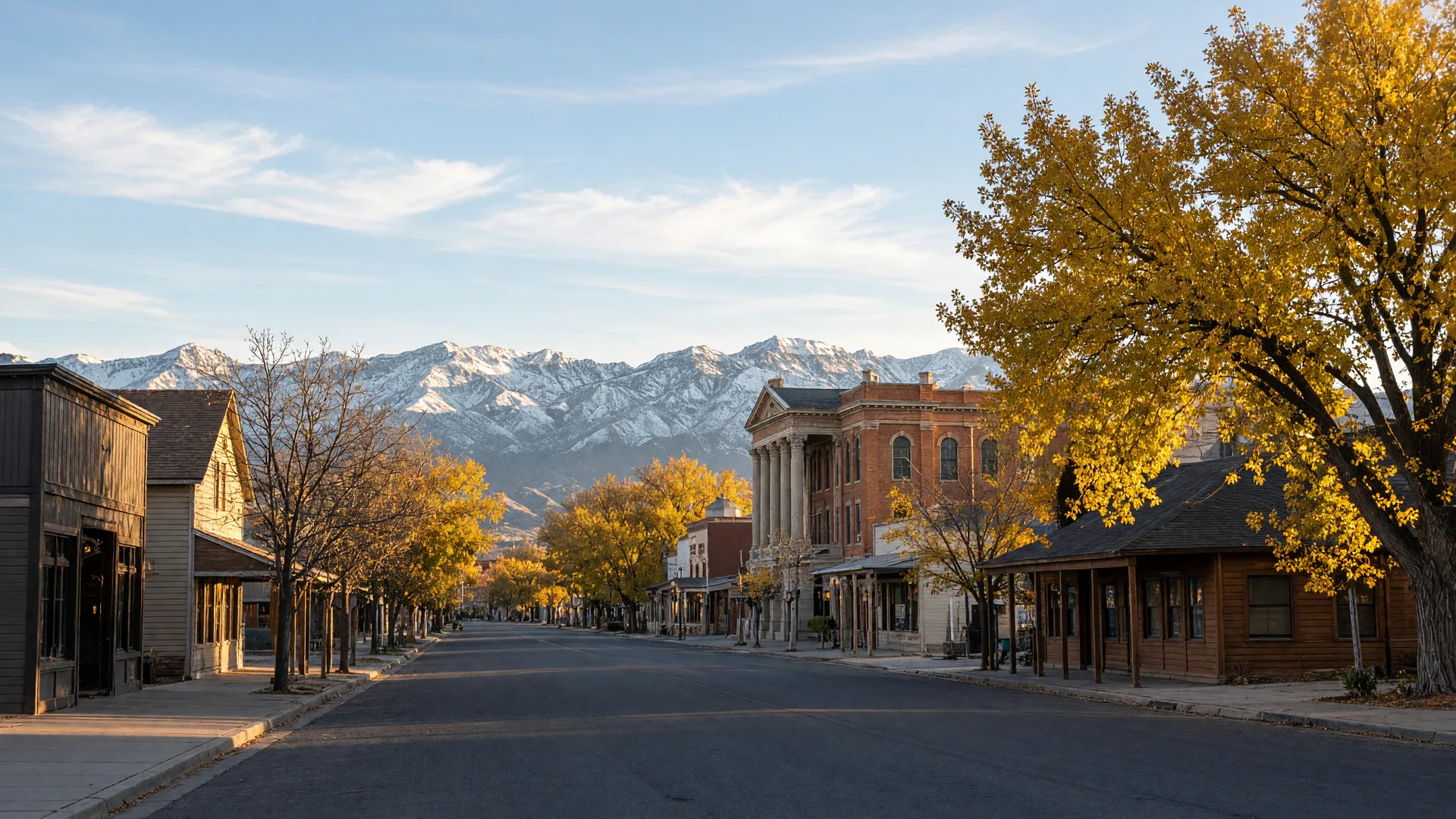
When you move to Nevada, your money gets a new address, and the tax math changes on day one. Nevada has no personal income tax, so the interest on your savings, the dividends in your brokerage account, and your capital gains are all free of state tax. Most of the rest is practical paperwork: updating direct deposit and auto-payments, moving accounts to a local credit union if you want one, and deciding what to do with a California 529 college account. Here is the verified, step-by-step picture.
Nevada Has No State Income Tax: What That Means for Your Accounts
Nevada's Constitution forbids a personal income tax, and it is one of nine states with none. You do not file a Nevada state income tax return, and the money your accounts earn is treated simply: interest on savings accounts, CDs, and money markets is untaxed at the state level, and so are dividends and capital gains.
California is the other side of that coin. The Golden State taxes interest, dividends, and capital gains as ordinary income with no preferential long-term capital gains rate, and its brackets run from 1% to 12.3% plus a 1% surcharge, so taxable income above $1 million faces a combined top marginal rate of 13.3%. Federal taxes still apply in Nevada, and the federal 3.8% Net Investment Income Tax can stack on top for high earners, so the savings are real but not absolute.
For the full side-by-side numbers, see the No State Income Tax page, the savings comparison, and what changes in the first full tax year as a Nevada resident.
Keep Your Bank or Switch: Your Options in Northern Nevada
You are not required to close your California accounts, and the national banks you know operate in Nevada too. Many transplants still open a local account, because it makes the practical stuff easier: cashier's checks at closing, a branch to walk into, and easy payment of the little bills that keep a Nevada household running.
If you want a local institution, Carson City has strong credit unions:
- Greater Nevada Credit Union is headquartered in Carson City, was founded there in 1949, and is the largest credit union in Nevada with about 89,000 members. Membership is open to anyone who lives or works in Nevada, joining costs a $5 member fee plus a minimum $25 share deposit, and in 2026 the credit union announced a merger with America First Credit Union, branding itself as a division of America First. Branch locations are on gncu.org.
- United Federal Credit Union has two Carson City branches, at 1350 E William Street and 935 Jacks Valley Road. See unitedfcu.com for locations and hours.
- America First Credit Union has a Carson City branch at 956 Topsy Lane, Suite 101, on top of the GNCU merger above. See americafirst.com.
Branch hours and details change, so call ahead before you drive over, and bring the standard opening kit: photo ID, a second ID, proof of address in Nevada (a lease or utility bill works), and your tax ID or Social Security number.
The Banking To-Do List for Moving Month
- Update your direct deposit with your employer, and your pension, Social Security, or annuity payers. Use the effective date of your move so no check goes to California.
- Switch your recurring payments: mortgage or rent, utilities, internet, subscriptions, insurance, and any HOA dues. Set up the Nevada utility accounts ahead of move-in so the lights and heat work on day one; the utilities setup guide has the provider list.
- File the USPS change of address before you leave, and keep an eye on forwarded mail for at least the first year. A stray statement is how people miss a lingering California bill.
- Handle the 30-day DMV items: your Nevada driver's license and vehicle registration are due within 30 days, and switching your auto insurance to the Nevada address happens in the same window. The resident checklist and the auto insurance comparison walk through both.
- Keep the full move budget handy, because deposits add up in month one. The 2026 moving budget lists the line items, and the moving checklist keeps the timing straight.
Your California 529: Roll It Into a Nevada Plan
If you have been saving for college with California's ScholarShare 529, you have options. Nevada runs the College Savings Plans of Nevada, a family of plans open to residents of any state: the Future Path 529 Plan, the Vanguard 529 College Savings Plan, the Victory 529 plan, and the Wealthfront 529 College Savings Plan, plus the Nevada Prepaid Tuition Program. The plans are administered for the Nevada State Treasurer, with Ascensus College Savings as the program manager. Details are on the State Treasurer's college savings page.
The rollover rules are friendly: federal law allows one tax-free 529-to-529 rollover per beneficiary every 12 months, ScholarShare explicitly permits transfers to another state's plan, and the Nevada plans accept incoming rollovers. Since Nevada has no state income tax, the rollover carries no Nevada tax consequences. Talk with your plan's provider and a tax professional before moving money, and compare fees and investment options, not just state branding.
Change Your Address With the IRS and Social Security
Two federal agencies want to know where you live after the move:
- IRS. File Form 8822, Change of Address, which is mailed rather than filed electronically, or simply use your new address on your next federal return; a signed written statement with your old and new address also works. Businesses and entities use Form 8822-B.
- Social Security. If you receive retirement, survivors, or disability benefits, or you are on Medicare, update your mailing address through your my Social Security account: My Profile, then Update Contact Information. That online service is not available to Supplemental Security Income recipients, who must call or visit a local office. And if you do not receive benefits or Medicare, you generally do not need to update anything with Social Security.
California's tax agency also needs to know you left, and the year of your move gets split treatment. The part-year resident tax guide covers the forms and deadlines, and this pension guide explains what California can and cannot tax once you are a Nevada resident.
What About Property Taxes and Homeowners Insurance?
If you are buying with a mortgage, your lender's escrow account collects Nevada property tax and homeowners insurance with each payment, so there is little to do beyond watching the statements. If you own free and clear and pay directly, make sure the county treasurer has your new mailing address for the bill. Nevada's property tax system works differently from California's, and the property taxes by town guide and the homeowners insurance comparison explain the numbers, including how wildfire risk shapes rates around Tahoe and the foothills.
Get the money logistics done first, and the rest of the move feels lighter. Once your accounts, addresses, and payments are pointed at Nevada, the fun part starts: choosing where to put down roots. Browse the Where to Live guide for the towns, run the numbers on the cost of living comparison, and if you have a question that is not in the FAQ, send me a note. When you are ready to look at homes for sale, I will help you line up the whole financial picture before you make an offer.

Dennis Lindsay
Broker Associate · 40+ Years in Northern Nevada
Dennis has helped families from California set up new lives in Northern Nevada, from their first Nevada bank account to their first property tax bill. Call him at (530) 318-2369 or email dennislindsaygroup@gmail.com.
Moving Your Money (and Everything Else)?
Dennis shares the complete relocation checklist, including the banking and paperwork steps, with every client. Book a free consultation and he will walk you through it.