Seasonal Guide
Your First Winter in Northern Nevada: Home Prep for California Transplants
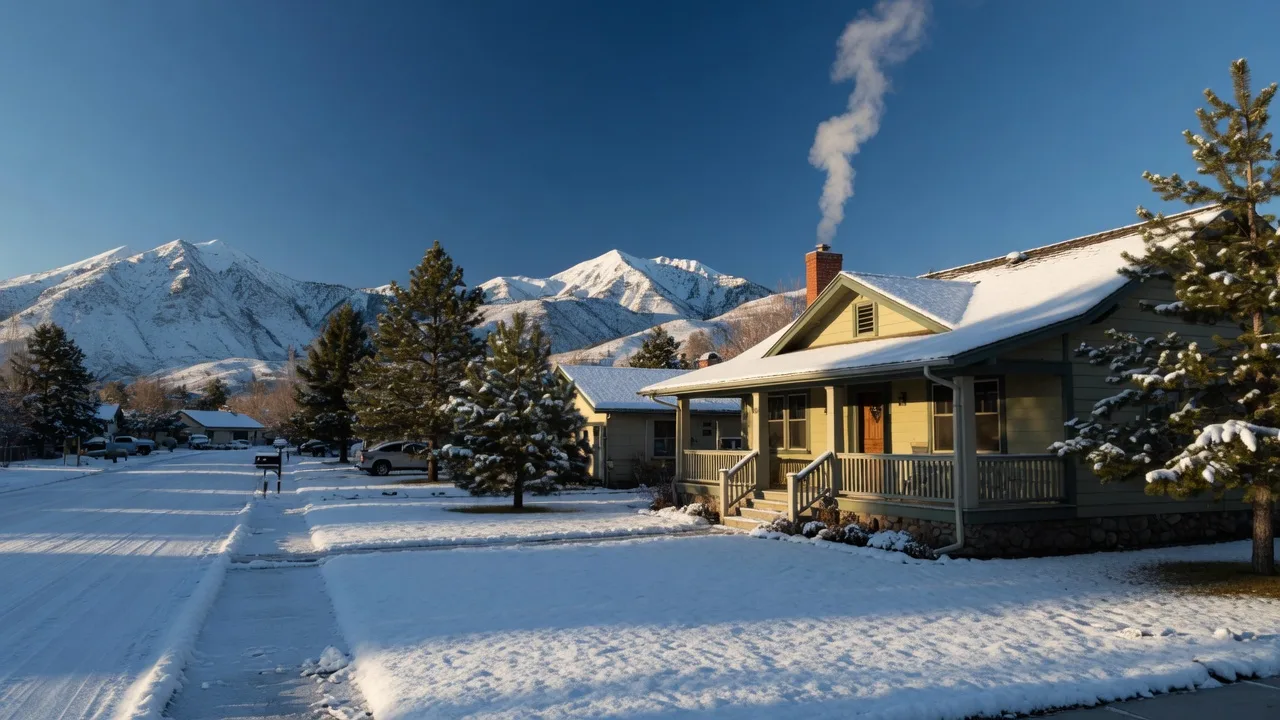
Here is the honest forecast for your first Northern Nevada winter: cold, sunny days, modest valley snowfall, and a to-do list that mostly happens in October. Under NOAA's 1991-2020 climate normals, Carson City averages about 14 inches of snow a year, Reno around 22, and the Carson Valley roughly 16 to 29 inches depending on the station, while winter high temperatures sit in the mid-40s to low 50s. The valleys are not Tahoe: the snow that actually matters for your home is rarer than you expect, and the freeze is what you prepare for.
How Cold Does Northern Nevada Really Get?
All three areas are high-desert Sierra-front towns, so winters are crisp, dry, and surprisingly sunny. NOAA normals put Carson City's December temperatures around a 45°F high and 22°F low, with January similar and February warming to about 50°F. Reno runs nearly identical, a degree or two either way. The Carson Valley towns of Gardnerville and Minden usually run the coldest of the three, with December and January lows near 17°F, which is why valley mornings are famous for frost on the windshields.
Snowfall is where the numbers surprise people. NOAA puts Carson City at roughly 14 inches a year (the Carson City Chamber of Commerce cites about 22 inches on a different measurement basis), Reno-Tahoe International at 21.8 inches, Gardnerville near 24 to 29 inches, and Minden around 16 to 23 inches. Compare that with what you would have gotten in the Sierra foothills of California and the valleys feel tame. Our detailed look at snowfall in Carson City month by month and the season-by-season weather guide have the full tables if you like data.
When Winter Actually Starts
Plan around freeze dates, not snowfall. NOAA-based norms put Carson City's typical first freeze around October 6 (some sources land in late September or early October depending on the year). The first measurable snow usually waits until November, and December is the snowiest month, with a normal of roughly 6.4 inches. In practice that means late September and October are your window to winterize, and most winters you get weeks of dry cold before any accumulation.
The October Checklist: Irrigation and Outdoor Faucets
The single most important task in your first fall is winterizing the sprinkler system before the first hard freeze, which in the Reno and Carson City area typically means mid-October onward. Water expands as it freezes, and that is what bursts plastic and metal pipes. The standard steps: unplug or turn off the irrigation timer, shut the main valve in the irrigation box (usually the green one), then drain or blow out the lines. If you use compressed air, keep it around 50 psi or below at the heads; higher pressure can damage valves and sprinklers, and it can be dangerous.
Do the same for anything else that holds water outdoors. Remove and drain garden hoses, shut off and drain outdoor faucets, and drain irrigation lines completely. If your new home has a backflow preventer or a well system, have a professional show you the shutdown procedure before the cold arrives.
Pipes, Thermostats, and Unheated Rooms
Inside the house, the weak points are unheated spaces. Insulate pipes in garages, crawl spaces, attics, and exterior walls, and leave cabinet doors open under sinks on the coldest nights so warm air reaches the plumbing. The Truckee Meadows Water Authority's winterization guidance is simple: if you will be away from the home, keep the thermostat at 55°F or higher and have someone check the house during cold snaps. A 55°F minimum is also what most insurance policies expect of you as the homeowner, so it protects two budgets at once.
Roofs, Gutters, and Snow Load
Clear gutters and downspouts before the first real snow so meltwater has somewhere to go; blocked gutters lead to ice dams and water backing up under the roofline. Make sure downspouts carry meltwater several feet away from the foundation, because spring thaw is when basement and slab issues show up. On the bright side, homes here are built for snow: Washoe County's construction design requirements, for example, specify a minimum roof snow design load of 29 pounds per square foot, so an ordinary valley roof sheds the snow Northern Nevada gets without drama.
Sidewalks and Snow Removal: Your New Civic Duty
Wondering who clears the sidewalk? In Reno and Sparks, the property owner is responsible for keeping the public sidewalk abutting their home free of snow and ice, per city codes. Neither city publishes a strict "clear within X hours" deadline; enforcement is discretionary after storms. Sparks code even requires sand or another abrasive if ice has hardened to the point it cannot be safely removed. In Carson City the explicit ordinance centers on commercial and downtown properties, but the neighborly practice is the same everywhere: clear your walk so the mail carrier and the dog walkers stay upright. A good snow shovel, a bag of de-icer, and a friendly house across the street are worth their weight in goodwill.
What Winter Costs: The Heating Math
Heating is real but manageable, and it is one place Nevada beats California on utility bills. U.S. Energy Information Administration data shows Nevada households use around 930 kWh a month at roughly 13.6 to 14.2 cents per kilowatt-hour, an average monthly bill near $132, while California households use far less electricity, about 503 kWh, but pay much higher rates and land around $157 to $165 a month. Carson City-specific estimates put electricity near $152 a month with another $47 or so for natural gas. The national average winter natural-gas heating spend, per EIA's Winter Fuels Outlook, is about $578 per household for the season. Your actual bill depends on house size, insulation, and thermostat habits; the full comparison lives on our cost of living page, and the provider list for setting up power and gas is in our utilities guide.
Driving in Winter
Valley driving in Carson City, Reno, and the Valley is mostly clear pavement with the occasional ice morning; the real snow waits for the passes and Tahoe. Keep a window scraper, check conditions before a mountain trip, and carry chains if you are heading over any Sierra pass in a storm, no matter which state the road is in. The snow guide covers winter driving specifics if you want the detail.
One season in, you will wonder why anyone warned you about the snow. If you are house hunting for your first Northern Nevada winter, the community guide compares each town's feel and costs, browsing current homes for sale shows what is on the market, and the moving checklist keeps every seasonal task in order. Or just call me at (530) 318-2369 and I will walk you through the first year, calendars included.

Dennis Lindsay
Broker Associate · 40+ Years in Northern Nevada
Licensed in both California and Nevada, Dennis has lived the California-to-Nevada move himself and helps transplants find the right community. Call him at (530) 318-2369.
Planning a Fall or Winter Move?
Tell me when you plan to arrive and I will help you line up the home, the utilities, and the winter-prep list for your first Northern Nevada season.