

Practical Guide
Internet and Cell Coverage in Northern Nevada: What California Transplants Should Know
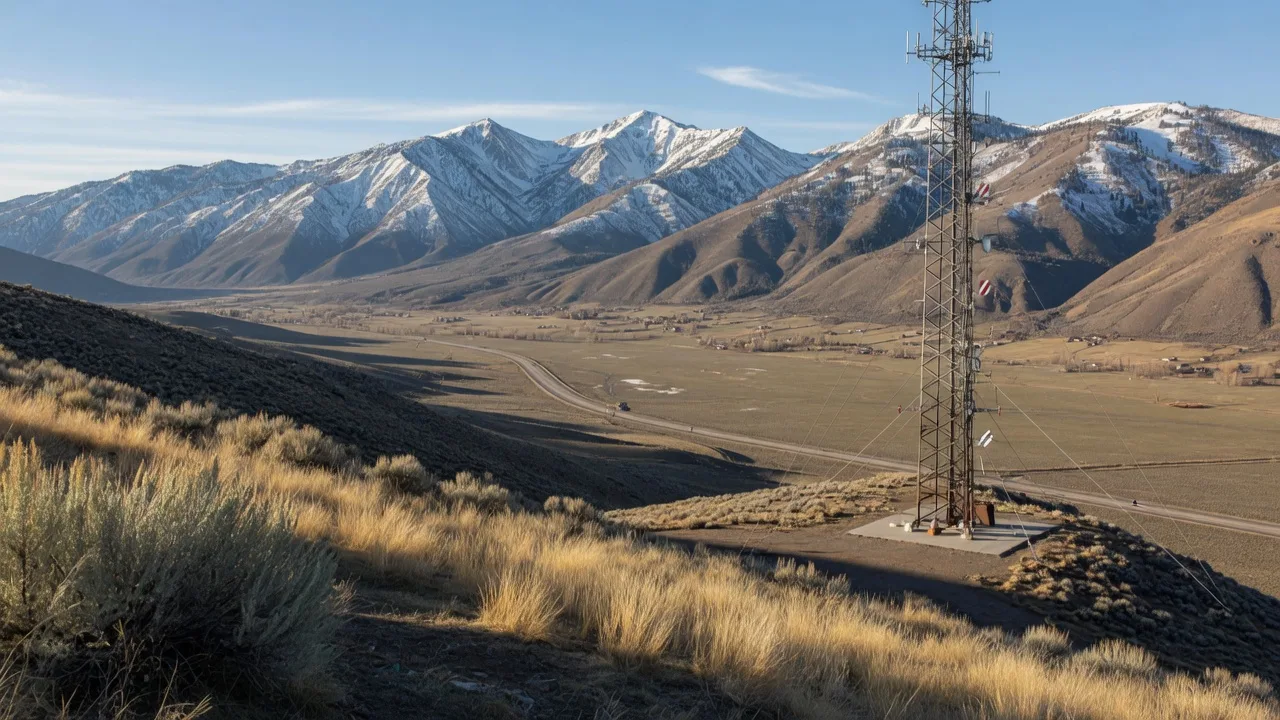
Internet and cell coverage are easy to overlook while you are comparing taxes and housing, but they are the first thing you notice if they are wrong after the move. The honest picture: Reno, Sparks, and Carson City have strong wired and fiber options with gigabit speeds on many streets, the Carson Valley and Dayton range from cable and fiber to fixed wireless and satellite depending on your exact address, and cell coverage is solid along I-80 and US-395 but genuinely patchy around parts of Lake Tahoe's shore. Here is what each area offers, with current figures, and the questions to ask before you sign a contract.
Why Connectivity Belongs on Your Move Checklist
A large share of California transplants move to Northern Nevada specifically because they can work remotely, so broadband is not a nice-to-have, it is part of the move math. Before you buy or sign a lease, it is worth confirming the internet options at the exact address, because availability in this region is genuinely street by street. Our moving checklist walks through the full order of operations, and the remote work guide covers the tax and residency side of taking a California job to Nevada.
Reno and Sparks: The Most Fiber Options
Reno and Sparks have the widest choice in Northern Nevada. Spectrum is the dominant wired provider, with reported coverage of roughly 80 percent of Reno homes and about 94 percent of Sparks, offering fiber-powered cable plans up to 2 gigabits per second and no data caps on most tiers. AT&T Fiber is the main true fiber network in the metro, reaching an estimated 30 to 46 percent of Reno and up to 80 percent of Sparks depending on the coverage map you check, with plans up to 5 gigabit symmetrical where it is available.
Real-world numbers back up the choice: Ookla's speed data puts Reno's median download around 361 Mbps with median upload near 219 Mbps, with Spectrum leading user-tested speeds and AT&T Fiber offering the fastest top plans. If fiber is not at your address, T-Mobile and Verizon 5G home internet are solid second options in town.
Carson City: A Solid Middle Ground
Carson City is the state capital and the best-connected smaller town in the region. AT&T Fiber offers up to 5 gigabit service where it is built out, with reported fiber reach covering roughly 16 to 24 percent of the city, and Spectrum's fiber-powered cable reaches up to 2 gigabit across a much wider footprint. Frontier also runs fiber plans up to about 1 gigabit in parts of town, and the local fixed-wireless provider Net NV reports coverage across roughly 99 percent of the city with plans up to about 1 gigabit, which is a strong option on streets where the cable plant is older.
The Carson Valley (Gardnerville and Minden)
In the Carson Valley, Spectrum is again the dominant wired provider, with reported coverage of roughly 88 to 100 percent of Gardnerville and 90 to 100 percent of Minden. Frontier DSL still reaches many Valley addresses, and local fixed-wireless providers fill the rural gaps: Rango offers wireless and fiber service up to about 500 Mbps, and Northern Nevada High Speed Internet (NNVHS) serves rural pockets like Topaz Ranch Estates and the Antelope Valley with unlimited-data plans from around $32 a month. The real caveat is the rural east side of Douglas County, where about 26 percent of households rely on satellite, so check the exact parcel before you fall in love with a property out on the valley floor.
Dayton and Rural Lyon County
Dayton sits on the edge of the metro, and its options reflect that. Spectrum covers roughly 62 to 95 percent of town depending on the neighborhood, AT&T serves much of Dayton with fiber and IPBB plans up to 5 gigabit where available, and Sky Fiber provides fixed wireless around 100 Mbps in parts of the area. T-Mobile 5G home internet reports coverage of about 99 percent of Dayton, which makes it a common fallback. Farther out into rural Lyon County, about 12 percent of households use satellite, so acreage buyers should plan for Starlink or fixed wireless before counting on wired cable.
Lake Tahoe's Nevada Side: Incline Village and Glenbrook
Around the lake, connectivity is better than the mountain setting suggests, but it is not uniform. Incline Village has Spectrum coverage of roughly 97 to 98 percent of homes with plans up to 2 gigabit, plus AT&T fiber up to 5 gigabit where it is built. On the east shore, Glenbrook is Spectrum territory at roughly 97 to 100 percent coverage, and real-world speed tests there average about 182 Mbps down and 11 Mbps up, plenty for remote work and streaming but with a modest upload ceiling on some plans. Starlink reports about 99 percent availability in both towns, which is the common answer for lakefront parcels where fiber is not run.
Satellite and Fixed Wireless for Rural Parcels
If you are buying acreage or a hobby farm, satellite is the universal fallback and it has gotten genuinely good. Starlink delivers up to roughly 400 Mbps with plans starting around $55 a month plus equipment, which is plenty for video calls and streaming, and it works almost anywhere with a clear view of the sky. HughesNet tops out around 50 Mbps and Viasat around 150 Mbps. The practical rule for rural buyers: confirm the exact address on Starlink's coverage checker and ask the current owner what they actually use before you commit.
Cell Coverage: Where It Is Strong and Where It Drops
On the roads you will actually drive, the news is good. Verizon is the most reliable carrier across rural Nevada, with a network reaching roughly 52 percent of the state's land area, the largest footprint of any major carrier, and AT&T is a close second for rural highways. T-Mobile has the strongest 5G metro coverage in Reno and Carson City but the thinnest rural footprint, with about 35 to 37 percent of the state covered by its 4G network, so its coverage can drop on long mountain stretches. Along US-395 from Topaz Lake up through the Carson Valley and Reno, AT&T is the carrier local drivers most often report as continuous, with Verizon close behind and new sites added along the corridor.
Lake Tahoe is the exception. The Nevada side is decent around Incline Village and Crystal Bay, but there are real dead zones on the east shore from Spooner Summit toward Sand Harbor, and cell capacity gets congested on peak weekends, when the basin's roughly 55,000 permanent residents can surge to around 270,000 visitors. AT&T is generally the most continuous carrier around the lake. The getting around guide covers the drive times and the winter road realities you will pair with that coverage.
Practical Steps Before You Sign Anything
- Check the exact address, not the zip code. Availability changes street to street, especially in the Valley and Lyon County. Run the address on the provider's own site before you sign a long contract.
- Ask about upload speed and data caps. Video calls need upload more than download, and a few rural plans still cap data.
- Schedule install early. Installation appointments can book out, and winter weather can delay service calls in mountain areas.
- Plan a backup. A 5G mobile hotspot or Starlink for a rural cabin is worth the peace of mind if you work from home.
- Ask the seller or landlord what they use. Current owners will tell you exactly which provider and speeds they get at that property.
How Connectivity Fits the Whole Move Budget
Internet pricing is one of the smaller lines in the move, but it matters for the same reason everything else does: it is part of whether Northern Nevada works for your life and your work. The utilities and change of address guide has the full provider list for power, gas, water, and trash alongside internet, and the cost of living page compares the rest of your monthly expenses side by side. When you are ready to find a home where the fiber actually runs, browse homes for sale or book a free relocation consultation and I will help you line up connectivity as part of the full move.
Provider footprints change and coverage maps vary, so treat these figures as planning numbers, not guarantees for a specific address. The best move is to verify the exact property before you commit, and I am happy to help you check it during your home search.

Dennis Lindsay
Broker Associate · 40+ Years in Northern Nevada
Licensed in both California and Nevada, Dennis helps California transplants plan every step of the move, from DMV paperwork to finding the right home. Call him at (530) 318-2369.
Wondering What Connectivity a Property Has?
Tell me the address or area you are considering, and I will help you check the internet and cell options before you make an offer.