

Life in Northern Nevada
Life at 4,600 Feet: Altitude, Dry Air, and Sun in Northern Nevada
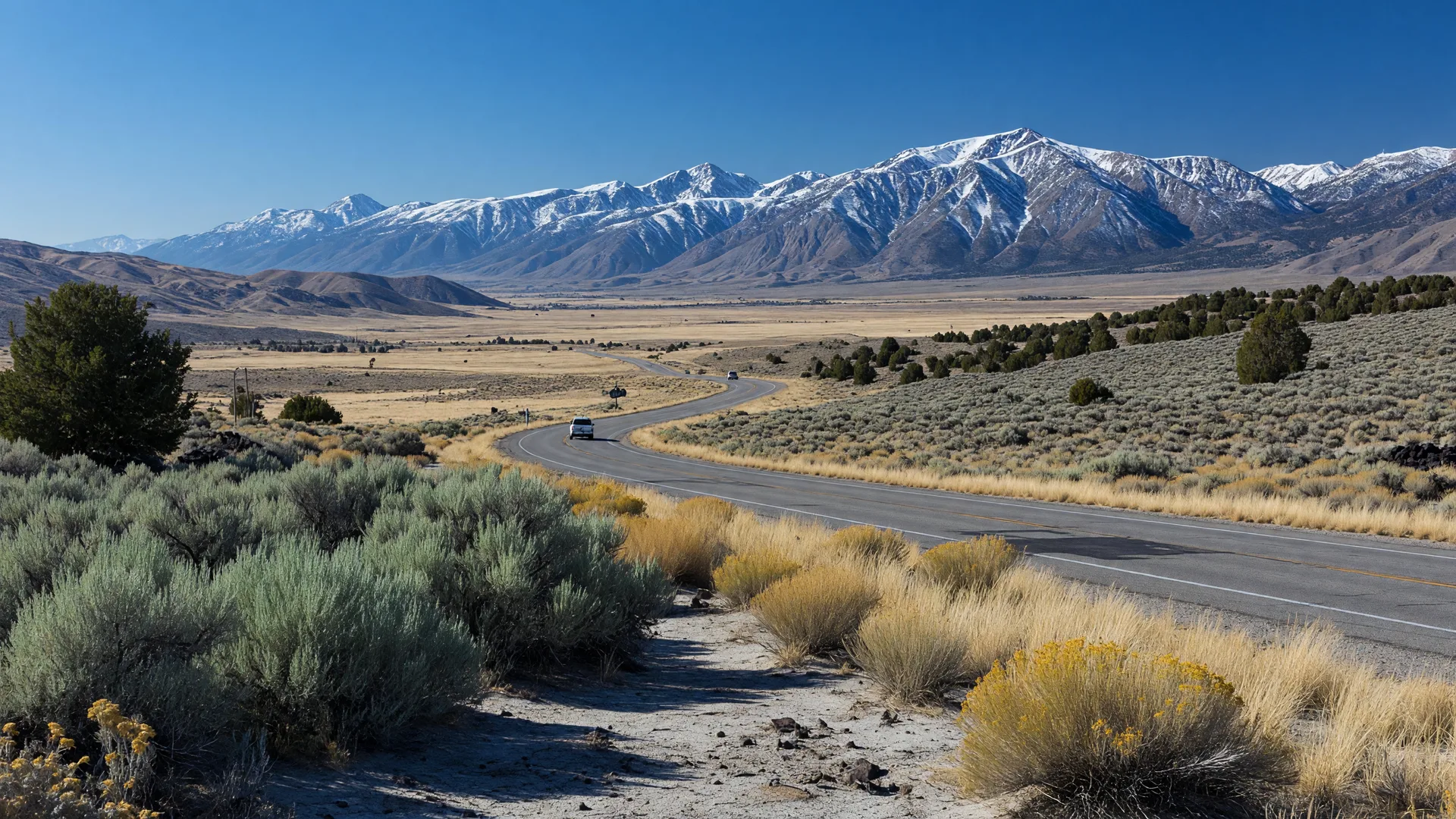
Northern Nevada towns sit high: Carson City at 4,682 feet, Reno at 4,505, and the Carson Valley towns even higher. The altitude is one of the reasons the region gets so much sun and so little humidity, and it changes a few everyday things in ways California transplants notice within the first week. Here is what living at roughly 4,600 feet actually means.
How High Each Town Sits
Commonly cited elevations put Gardnerville around 4,750 feet and Minden around 4,700, Carson City at 4,682, Reno at 4,505, Sparks around 4,400, and Dayton around 4,380. The whole region is a mile-high plateau with mountains around it, which is why the air is thin, dry, and clear nearly year-round. The Where to Live guide lays each community side by side if you are still choosing a town.
The Sun Is Stronger Here
Ultraviolet radiation increases by roughly 4% to 5% for every 1,000 feet of elevation, so at 4,600 feet you are getting about 20% more UV than at sea level, and the region's clear, dry air adds to it. Reno's summer daily max UV index routinely reaches 7 to 9, which is high to very high, with peak readings near 9.5. Winter snow cover reflects UV back at you too, so sunscreen becomes a year-round habit here, not just a beach habit.
The Air Is Dry
Reno's average annual relative humidity runs around 51%, but the daily rhythm matters more: mornings average about 66% while afternoons drop to about 32%, and it can fall into the single digits on dry winter days. That dryness pulls moisture from your skin and airways, so chapped lips, dry skin, and static cling are common for new arrivals. A humidifier in the bedroom and a good lotion fix most of it, and the dryness is part of why the region feels so sunny and crisp.
Water Boils Cooler, So Cooking Takes Longer
At 4,500 to 4,600 feet, water boils at about 202 to 203 degrees Fahrenheit instead of 212 at sea level. Boiling happens faster, but the water is cooler, so pasta, beans, and anything simmered takes noticeably longer, and hard-cooked eggs and slow-cooked dishes may need extra time. Most transplants adjust by simply testing food a few minutes later than the recipe says, and altitude-tested recipes for baked goods are worth seeking out.
Hydration Is a Real Habit
Lower air pressure and dry air make you lose more fluid through breathing, and you urinate more at altitude, so dehydration can set in before you feel thirsty. The common local guideline is at least 64 ounces of water a day, and more when you are active outdoors, hiking, skiing, or working in the yard. Keep water in the car during summer and winter alike, and you will feel the difference immediately.
Small Mechanical Things: Tires, for One
A tire pressure gauge reads about 2 to 3 psi higher at 4,600 feet than at sea level because the surrounding air pressure is lower, not because the tire gained air. The right move is to leave the tires alone and set them to the manufacturer's cold-inflation spec printed on the door sticker. Temperature swings, about 1 psi per 10 degrees, usually affect pressure more than altitude does, so check pressures when the tires are cold.
What Altitude Means for Your Home Search
Altitude shapes the housing market in practical ways: homes in the valley towns need less snow work than Tahoe, while higher neighborhoods get more sun exposure and bigger views. Our weather overview covers the rain, sun, and snow totals behind the feeling, the first winter guide has the home prep checklist, and the season-by-season guide shows what each part of the year feels like. If you want to know what a specific town's altitude means for your daily life, the cost of living page and a free relocation consultation are good next steps.
Altitude is one of those things that sounds intimidating and turns out to be a small set of habits: sunscreen, water, a humidifier, and a few extra minutes on the stove. Give your body a couple of weeks and the thin, bright air becomes one of the best parts of living here.
Dennis Lindsay
Broker Associate · 40+ Years in Northern Nevada
A Northern Nevada resident himself, Dennis knows what the altitude, sun, and seasons mean for daily life. Call him at (530) 318-2369 to talk through your move.
Questions About Altitude or a Town's Fit?
Tell me where you are considering and what matters most, and I will share what daily life there really feels like.