
Seasonal Guide
Fire Season and Air Quality in Northern Nevada: What to Expect
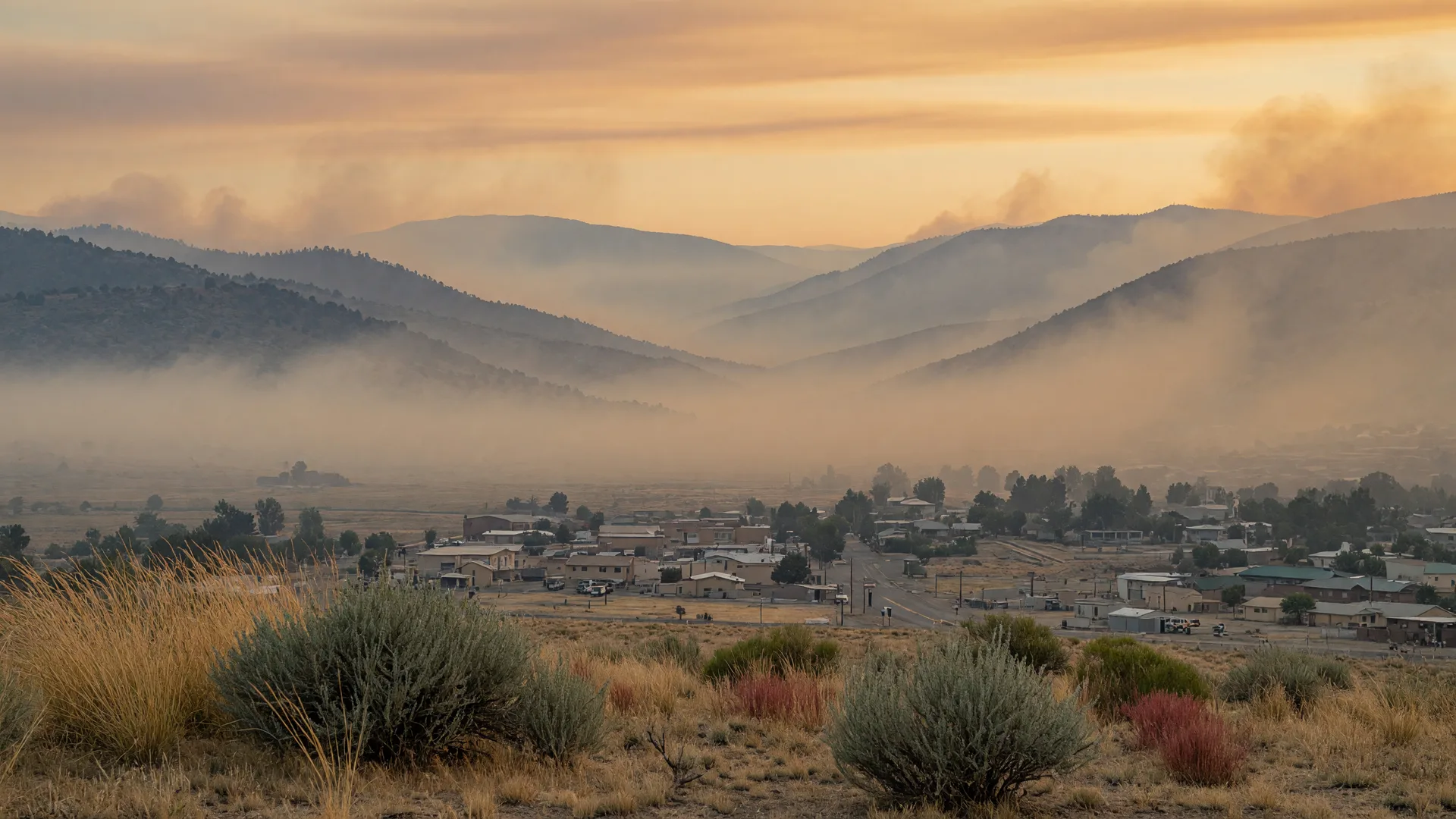
California transplants moving to Northern Nevada often ask about fire season, and the honest answer is that the region is not exempt from smoke or fire risk. Nevada's fire season typically runs May through October, and by late August 2026 the state had already recorded roughly 92 season fires burning about 477,000 acres, with officials forecasting an above-average, longer season. Here is what that means for air quality, insurance, and daily life.
The Baseline Air Is Actually Clean
On clear days, Northern Nevada's air is genuinely good. Reno's annual average Air Quality Index was about 18 in 2019, far inside the EPA's Good range of 50 or below, and Carson City routinely reads Good on clear days. The region's elevation and mountain breezes keep the baseline clean. The problem is not the everyday air, it is the episodic smoke that rolls over the Sierra from California fires and occasionally from Nevada fires themselves.
California Smoke Drives Most of the Bad Days
A Desert Research Institute analysis found that wildfire emissions accounted for an estimated 56 to 65 percent of Reno's fine particulate pollution (PM2.5) during July through September in the 2016 to 2021 period, meaning California's fire season is also Northern Nevada's smoke season. The worst stretch on record came in August 2021, when smoke from the Caldor and Dixie fires blanketed the region and Reno logged 24 unhealthy-air days by late August alone. During the 2026 season, Washoe County's air quality division issued advisories in August for ozone and particulate events, and again in mid-September when the Floriston Fire pushed PM2.5 into the Unhealthy for Sensitive Groups range in Verdi and the North Valleys.
What Bad Air Looks Like in Practice
Smoke episodes push the AQI from Good into Unhealthy for Sensitive Groups (index 100+) and occasionally Unhealthy (150+). That is the level where people with asthma, heart conditions, or older adults should limit outdoor exertion, and where healthy people notice haze and smell smoke. The pattern is usually a few days at a time, not months of smoke, and it follows the wind. Check AirNow.gov or the local air quality division during fire season, the same way you would check a weather app before planning a run.
The Longer View Is Improving
There is genuine good news in the trend data. The American Lung Association's 2026 State of the Air report, covering 2022 through 2024, credited Nevada with the largest improvement of any state in unhealthy particle-pollution days, down about 11 days on average, even though Reno still ranks among the worst U.S. cities for short-term particle pollution and ozone. Recent Nevada fire years show the pattern clearly: about 929 wildfires burned roughly 70,000 acres in 2024, while roughly 690 fires burned about 395,000 acres in 2025, a reminder that acreage swings with individual big fires. The practical takeaway is to plan for a few smoky weeks in late summer, not a permanent haze.
Fire Risk and Insurance Go Together
Smoke is a health story, but fire itself is an insurance story, and the two matter for buyers near the wildland-urban interface. Homes in the Tahoe basin and foothills face real wildfire risk, which is why homeowners insurance near Lake Tahoe costs more and why Northern Nevada premiums vary by location and defensible space. If you are house hunting, ask about the parcel's fire risk zone and check the insurance cost before you make an offer, not after. The Where to Live guide compares the regions side by side, from valley-floor towns that rarely see fire risk to forested lots that require more planning.
Daily Life Around Fire Season
For the vast majority of the year, fire season does not change your routine at all. You will notice it in three places: a handful of smoky days in July through October, higher insurance and wildfire-defensible-space expectations on some parcels, and an occasional power or highway closure during active fires. Winter is a different story entirely, and newcomers should pair this guide with the Sierra winter driving guide and the first-winter home prep checklist to get the full seasonal picture. For health care questions during smoke season, the healthcare guide covers the region's hospitals and clinics.
Fire season deserves a mention in your moving plan, but it should not drive the decision. If you want to weigh a specific community's air quality, fire risk, and insurance costs before you buy, book a free relocation consultation and I will walk you through the trade-offs with local knowledge 40 years in the making.
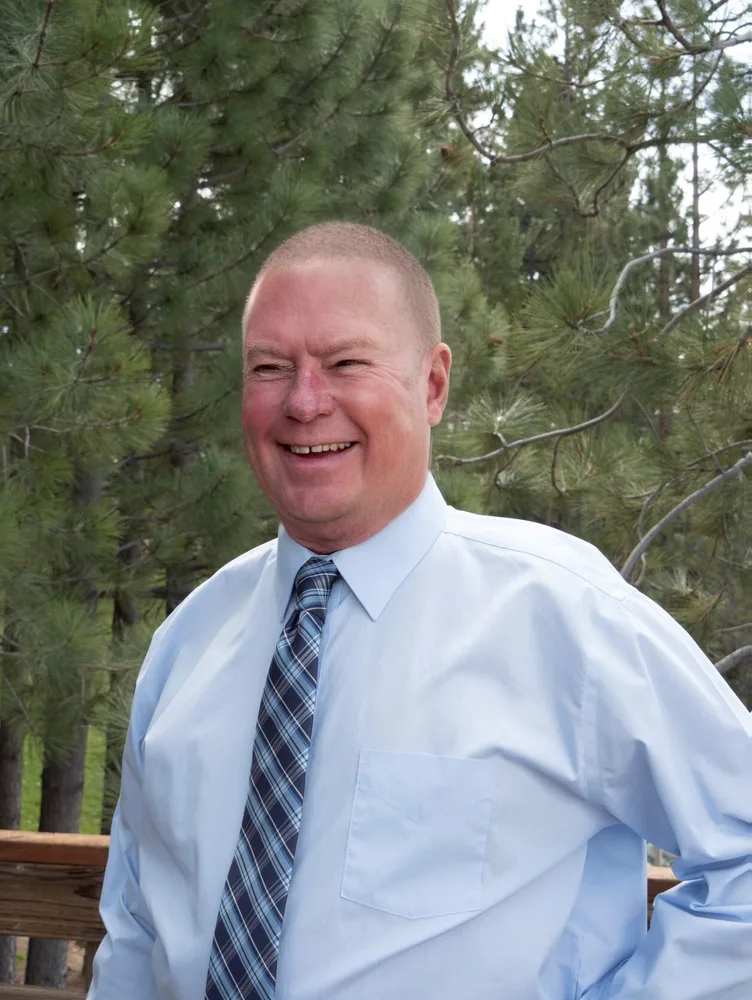
Dennis Lindsay
Broker Associate · 40+ Years in Northern Nevada
Dennis has helped hundreds of California families compare Northern Nevada communities, insurance costs, and seasonal trade-offs. Call him at (530) 318-2369.
Weighing Fire Risk and Air Quality for Your Move?
Send me the town you are considering and I will help you compare fire risk, insurance costs, and the real air-quality pattern before you commit.