

Seasonal Guide
Sierra Winter Driving: What California Transplants Should Know Before Their First Nevada Winter
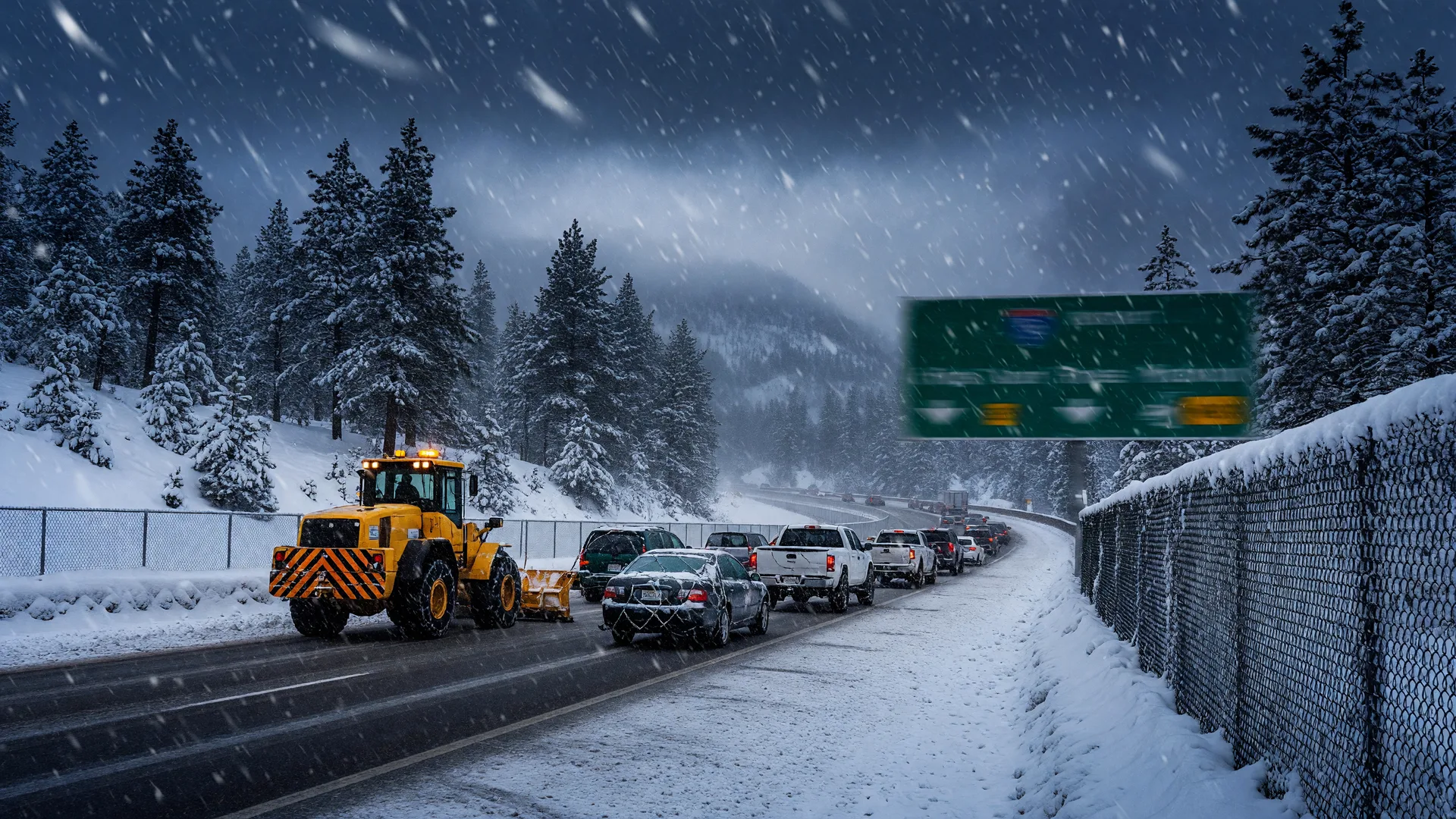
Moving to Northern Nevada means the Sierra is now your backyard, and in winter the backyard has chain controls. Whether you commute from Carson City to Reno, drive to Tahoe for a ski day, or just need to cross the pass to visit California, knowing how chain controls actually work will keep you safe, legal, and calm. Here is the practical guide, straight from Caltrans and CHP rules.
The Three Chain Control Levels
Caltrans and the CHP post three levels on I-80 over Donner Pass and US-50 over Echo Summit, and they must be obeyed when signed:
- R-1: Chains, traction devices, or snow tires required on the drive axle of all vehicles except 4WD/AWD vehicles.
- R-2 (the most common level): Chains or traction devices required on all vehicles except 4WD/AWD vehicles with snow-tread (M+S rated) tires on all four wheels.
- R-3: Chains required on all vehicles, no exceptions. In practice, an R-3 closure means the road is effectively shut until conditions improve.
R-0 simply means no controls are posted. When a control is active, checkpoints sit at the start of the control area and vehicles without the required equipment are turned around before they get near the pass.
AWD Does Not Mean "No Chains"
This is the rule that surprises most California transplants. Even when your 4WD or AWD vehicle is exempt from installing chains at R-1 or R-2, you must still carry a set of chains for one drive axle in the vehicle to enter a chain control area. At R-2 you also need M+S (mud and snow) rated tires on all four wheels to stay exempt. And at R-3 there is no exemption at all, 4WD and AWD included. Legally permitted devices include link-type chains, cable chains, and alternative traction devices such as textile snow socks that meet California Vehicle Code Section 605.
During chain controls, the speed limit on I-80 drops to 30 mph, so plan for slow going even when your vehicle is equipped. If a checkpoint stops you and you are not properly equipped, you will be cited, and more importantly, you will be the car blocking the pass for everyone behind you.
Where the Checkpoints Sit
On I-80 over Donner Pass, controls typically span from Kingvale to Truckee on the west side and from the Donner Lake Interchange to Rainbow on the east side. On US-50 over Echo Summit (about 7,380 feet), they typically run from Twin Bridges on the Pollock Pines side to Meyers on the South Lake Tahoe side. Local news and the CHP will announce the exact posting each storm, so check before you leave rather than at the checkpoint.
Check Conditions Before You Leave
Real-time road status lives on Caltrans QuickMap (quickmap.dot.ca.gov) and by phone at 1-800-427-ROAD. On storm days, watch the forecast for the pass elevation, not the valley: Donner Summit sits above 7,000 feet and can be dumping snow while Carson City is dry. For sign-ups and alerts, the moving checklist includes the local resources worth saving before winter hits.
What Winters Actually Look Like Here
The pass gets the drama, but the towns you will actually live in are milder. Our Carson City snowfall guide breaks down monthly averages for the capital, the season-by-season guide covers the whole region, and your first winter home prep checklist tells you what to do to the house before the first storm. If Tahoe is on your list, the Nevada-side Tahoe guide covers resort-town living, where snow totals run far higher than the valley floor.
A Pre-Winter Car Kit for Your First Sierra Season
- Chains or cables for one drive axle, even with AWD, sized to your exact tires.
- Ice scraper, snow brush, warm layers, gloves, and boots in the trunk.
- Phone charger, flashlight, blanket, and a small shovel for pass-day waits.
- At least half a tank of gas before climbing the pass in a storm.
And check your auto insurance after your Nevada registration, because your new policy and roadside coverage travel with you up those mountains too.
Winter in Northern Nevada is a genuine four-season experience, and the driving rules are part of the deal. Learn them once, keep a kit in the trunk, and the Sierra becomes a playground instead of a worry. When you are ready to find the home near the snow you will actually drive most, request personalized home options across the region or book a relocation consultation and we will match the neighborhood to your commute.
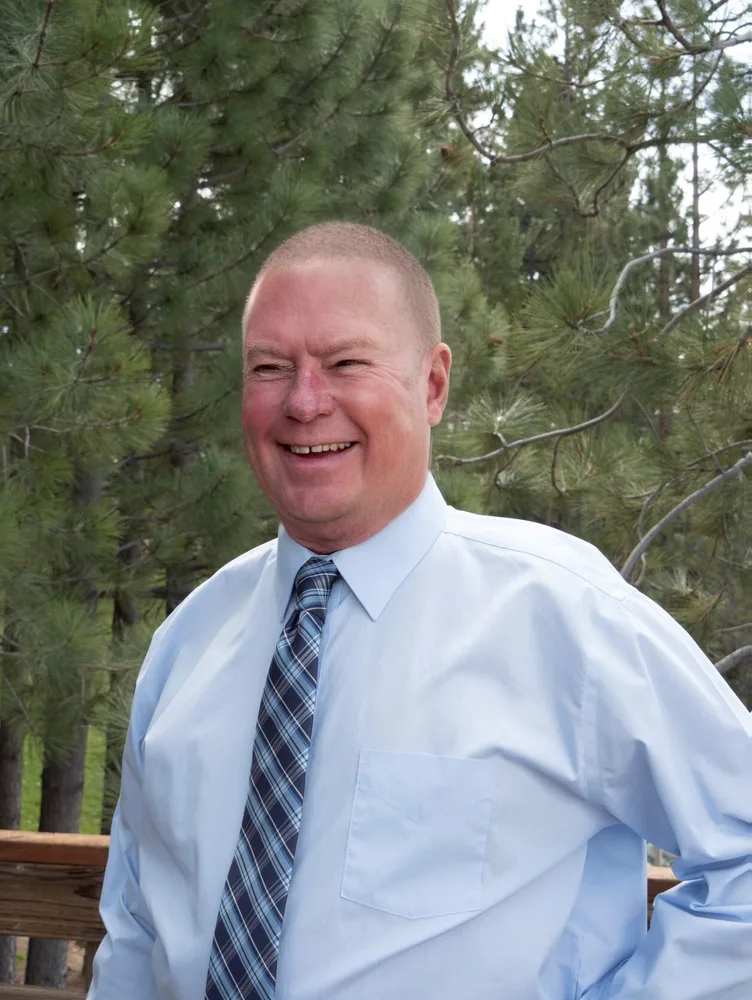
Dennis Lindsay
Broker Associate · 40+ Years in Northern Nevada
Licensed in both California and Nevada, Dennis has helped over 800 families make the move from California to Northern Nevada. Call him at (530) 318-2369.
Planning a Winter or Spring Move?
Tell me when you want to land in Northern Nevada, and I'll share what the season looks like for your new commute, your home search, and your first few months.