

Where to Live
Reno vs. the Carson Valley: Two Versions of Northern Nevada Living
Reno and the Carson Valley are both squarely Northern Nevada, but they are not the same move. Reno is the region's big city, home to roughly 283,600 people, while the Carson Valley is Douglas County's collection of small towns centered on Gardnerville and Minden. This post compares the two side by side with verified 2026 figures: housing costs, commute times, winter weather, and the pace of daily life, so you can match the right one to the way you want to live.
Two Different Paces
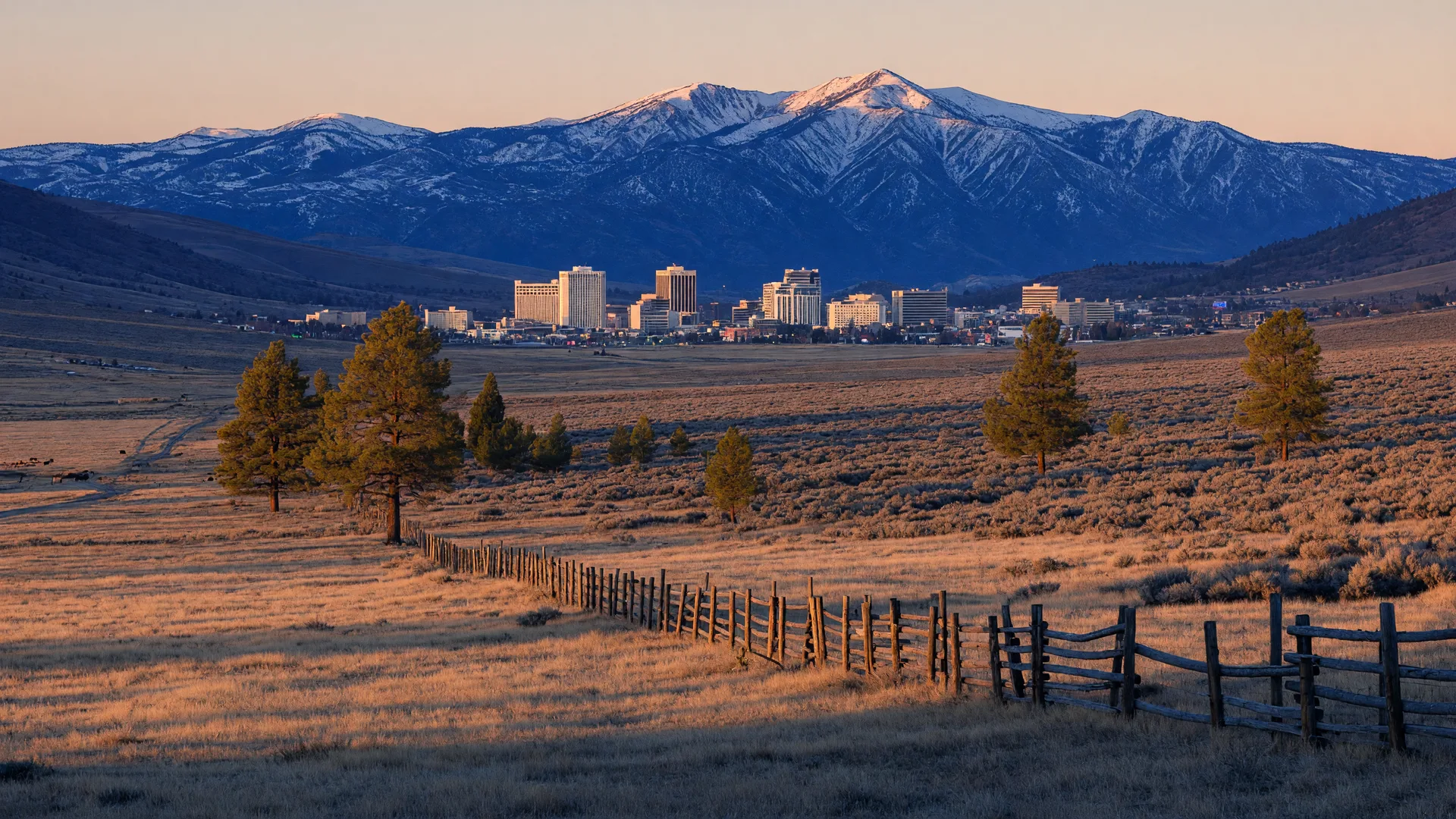
Reno, with Sparks next door, is the closest thing Northern Nevada has to a metro area. The U.S. Census Bureau's July 2025 estimates put Reno at 283,621 residents and Sparks at 111,902, with a university, Reno-Tahoe International Airport, several hospitals, professional sports, and a busy event calendar. If you want big-city options without big-city prices, Reno is where they live.
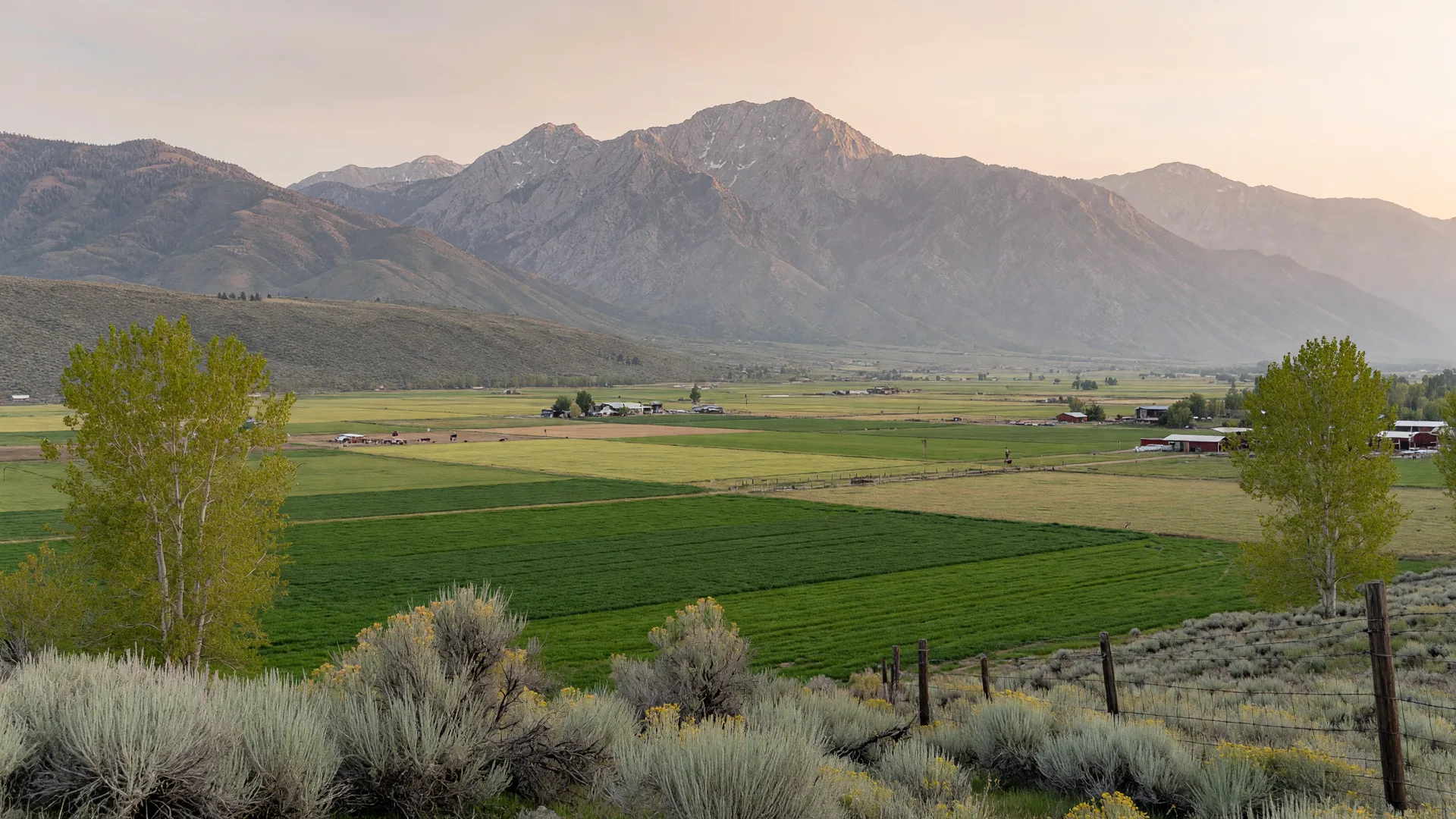
The Carson Valley sits about 45 to 55 minutes south, at the foot of the Sierra. It is a rural, agricultural basin anchored by two small towns: Gardnerville, at roughly 5,800 people in the latest estimates, and Minden, with 3,442 residents counted in the 2020 Census. The whole of Douglas County comes to about 50,100 people. The pace is quieter, the views are wide open farmland against the mountains, and the nearest city lights are a deliberate drive away. Carson City, the state capital at about 58,600 residents, sits between the two and is covered in the Where to Live guide.
Housing: Where the Numbers Split
This is the piece that surprises most California buyers. The differences within Northern Nevada are real, so it pays to compare the same measure, not the same month's press release. According to Sierra Nevada Realtors, Reno's median single-family sold price ran about $710,000 in June 2026, with Sparks near $590,000. Zillow's typical-home-value estimate for all Reno housing sat closer to $576,900 at the end of June 2026, which shows how much the definition of the number matters.
In Douglas County, the median single-family sold price was $644,000 in June 2026 per Sierra Nevada Realtors. Movoto put Minden's median sold price near $710,000 in April 2026, and typical estimates for Gardnerville land around $635,000. So a Bay Area-style budget goes remarkably far in either place; the difference between Reno and the Valley is more about lot size, acreage, and the view than about a dramatic price cliff.
One real price break sits further east: Lyon County, where Dayton is, ran a $441,000 median sale for the three months ending July 2026 (Redfin). If entry pricing matters most, see the Dayton cost of living post and the Carson City cost of living post for the neighboring comparisons.
The Commute Reality
Before you fall for a view, do the drive-time math for your actual week. Drive-time tools put the Carson City to Reno run at about 35 to 40 minutes on I-580 and US-395, roughly 30 miles. From Gardnerville or Minden it is 53 to 55 minutes for about 45 to 51 miles, with the Reno portion of the drive adding time at rush hour. If your job is in Reno, that extra 40 minutes a day, twice a day, is the biggest lifestyle difference between the Valley and the city, and it is worth a test drive in winter. The full picture across the region lives in our getting around Northern Nevada guide.
Same Sun, Different Winter Mornings
The Valley floor sits around 4,700 feet elevation, slightly higher than Reno's 4,505 feet, and it is ringed by the Carson Range and the Pine Nut Mountains. That bowl shape changes winter mornings. Average snowfall runs about 28 to 29 inches a year in Gardnerville and Minden versus roughly 22 inches in Reno, and January overnight lows run colder in the Valley, around 17 to 19°F versus Reno's 24 to 25°F.
The headline is fog. Cold air pools in the Valley under temperature inversions, producing dense, often freezing fog locals call pogonip, which can sit for days and has dropped visibility below a quarter mile at Minden-Tahoe Airport. The National Weather Service routinely issues freezing-fog advisories across the Reno, Carson City, and Minden corridor, and the fog is most persistent in the Valley. Summers are hot in both places, with July highs near 90 to 92°F. More detail on what each season feels like is in the season-by-season weather guide.
Which One Fits Your Move?
Neither is wrong, and both are cheaper than most of California. Pick Reno if you want the airport, the university, the dining and events scene, and the shortest possible drive to a hospital or a job. Pick the Carson Valley if you want more land, mountain views from your own yard, a slower daily rhythm, and you are comfortable driving for the big-city errands. Commuters who split the difference often land in Carson City, which is why it is the capital's most common answer. The cost of living comparison page keeps the full tables, and the Reno and Sparks cost post plus the Carson Valley cost post go neighborhood by neighborhood.
The figures above come from the cited reports and they move every month, which is why I pull fresh comps weekly for clients. If you are weighing Reno against the Carson Valley, book a free relocation consultation and we will run your actual commute, budget, and wish list against both, and you can request personalized home options in each area before we talk.

Dennis Lindsay
Broker Associate · 40+ Years in Northern Nevada
Licensed in both California and Nevada, Dennis has helped over 800 families make the move from California to Northern Nevada. Call him at (530) 318-2369.
Reno, the Valley, or Somewhere Between?
Send me your commute, budget, and lifestyle priorities, and I'll point you to the Northern Nevada communities worth your short list.