

Life in Northern Nevada
Flying From Reno-Tahoe International Airport: Your Go-Back-West Guide
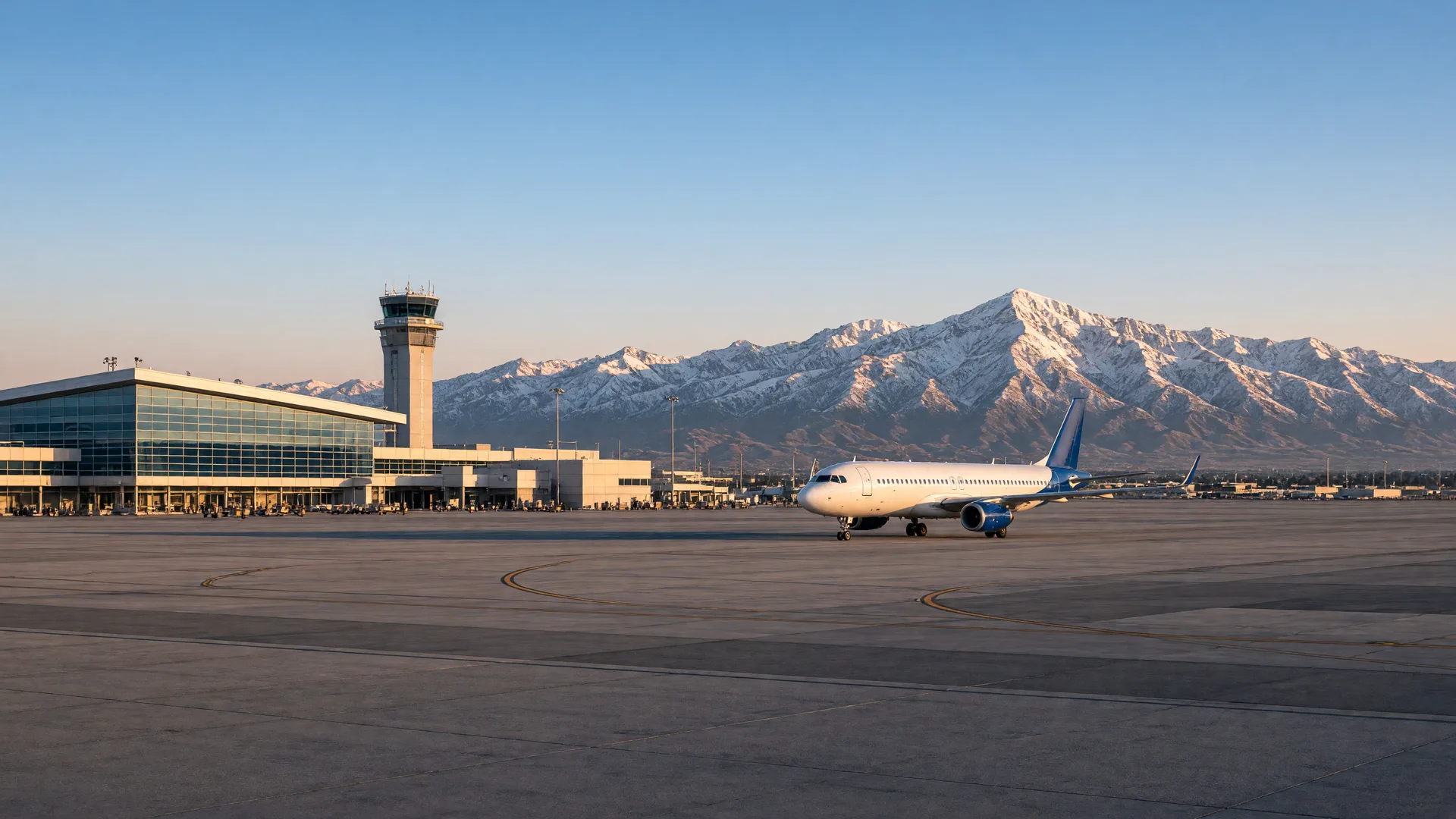
Most California transplants keep strong ties back home, and that is one of the reasons Northern Nevada works so well: Reno-Tahoe International Airport (code RNO) makes those trips easy. It is the region's main commercial airport, about four miles south of downtown Reno, with nonstop flights to Los Angeles, San Francisco, San Diego, San Jose, and Orange County, a single easy terminal, and on-site parking that tops out around $24 a day. Here is how flying back west actually works, from the airport side and the travel side.
The California Routes: Where You Can Fly Nonstop
Per the airport's current nonstop route list, these California cities have direct service from RNO:
- Los Angeles (LAX): Delta, Southwest, and United all fly the route, giving you real schedule flexibility for a city many transplants still visit monthly.
- San Francisco (SFO): United operates nonstop service, which is handy if your Bay Area family or employer is on the peninsula side of the region.
- San Diego (SAN): Alaska and Southwest run the route, a direct option for the border region.
- San Jose (SJC): Southwest flies nonstop, useful for the South Bay.
- Orange County (SNA): Southwest connects RNO to John Wayne, which saves a long LA drive if your people are south of Los Angeles.
- Oakland (OAK): JSX offers nonstop service between Oakland and Reno, an option worth checking if the East Bay is your touchpoint.
Routes do change with the seasons, so confirm the schedule against your usual trip before you book. For the ground side, the drive-time guide and the FAQ page put in one place how you bridge the airport to your new town.
A Terminal Small Enough to Be Easy
RNO is a single, two-level terminal with two concourses, B and C, and about 23 jet-bridge gates. Departures live on the upper level, where you find check-in and the central TSA checkpoint, and arrivals on the lower level with the baggage carousels, rental-car counters, and ground-transportation curbs. Walking between the concourses takes just a few minutes, so there is no inter-terminal shuttle to plan around. The airport is in the middle of building out larger new A and B concourses, but the current setup is as close to a no-stress airport as a traveler gets. For California transplants who are used to sprawling hubs, RNO is a relief, especially with kids or pets in tow.
Parking: What You Will Actually Pay
The airport publishes these on-site rates (per renoairport.com):
- Park & Walk Lot: about $16 a day, the airport's lowest-priced on-site lot, with a 10 to 15 minute walk to the terminal. Best value if you are not dragging heavy bags.
- Long-Term Garage (Levels 2 and 3): about $22 a day, covered or uncovered, closer to the terminal.
- Short-Term Parking (Level 1): about $24 a day, run about $2 for the first hour and hourly after, capped at the daily max. Good for pickups and drop-offs.
Off-site lots near the airport advertise prices from about $15 a day, and they are worth comparing for longer trips, but factor in the shuttle ride. If you drive a fair amount of this anyway, the gas price comparison and the EV charging guide help you judge whether to drive to your California destination or fly.
Getting From the Airport to Your New Town
Reno sits in the middle of the region's daily commute map, so the airport puts you close to everywhere California transplants actually land. The airport is about four miles from downtown Reno. To Carson City it is roughly a 35 to 40 minute drive on I-580 and US-395, about 30 to 32 miles. To the Carson Valley (Minden and Gardnerville) it is closer to 50 to 55 minutes up US-395, and to South Lake Tahoe about an hour and a quarter over Spooner Summit or the Mt. Rose Highway. In good weather these are easy drives, and the commute times post breaks down every leg with the numbers. If you are choosing between towns by distance to the airport, the Where to Live guide compares them by commute and lifestyle.
Winter Travel: When Terrain Weather Matters
Reno sits at roughly 4,400 to 4,500 feet, and its own winter weather plus Sierra storms can slow travel, both in the air and on the highway. A few practical rules keep trips smooth:
- Build buffer into winter connections. Snow, ice, and valley fog on the runway can delay departures, and airlines rebook across the national network, so a tight connection is riskier than at a mild-climate hub.
- Check both the airport weather and the pass forecast before you drive out. The Sierra winter driving guide explains chain controls on I-80 and US-50, and it applies the same if you are leaving the airport toward Tahoe in a storm.
- If you fly, watch the drive to the airport, not just the flight. A Reno-bound traveler from Carson City or the Valley in a storm doubles the usual drive time, so the moving checklist and the winter FAQ are worth a skim before peak travel days.
Staying close to California family and work is one of the reasons the California-to-Nevada move works so well, and RNO is a big part of that. If a town pairing and budget are what you are deciding next, the cost of living comparison shows what your money buys in each community, and the homes for sale search shows what is on the market near the airport right now. Book a free relocation consultation and I will help you line up the home that keeps your people close.

Dennis Lindsay
Broker Associate · 40+ Years in Northern Nevada
Dennis has lived the California-to-Nevada move himself, from Lake Tahoe to Dayton, and he knows which towns keep you closest to the family and jobs you left behind. Call him at (530) 318-2369.
Choosing Where to Land Near RNO
Tell me what you need close by, family, work, or the airport, and I will show you communities and homes that keep it convenient.